Tuesday, April 23, 2013

Some Meadow Musings

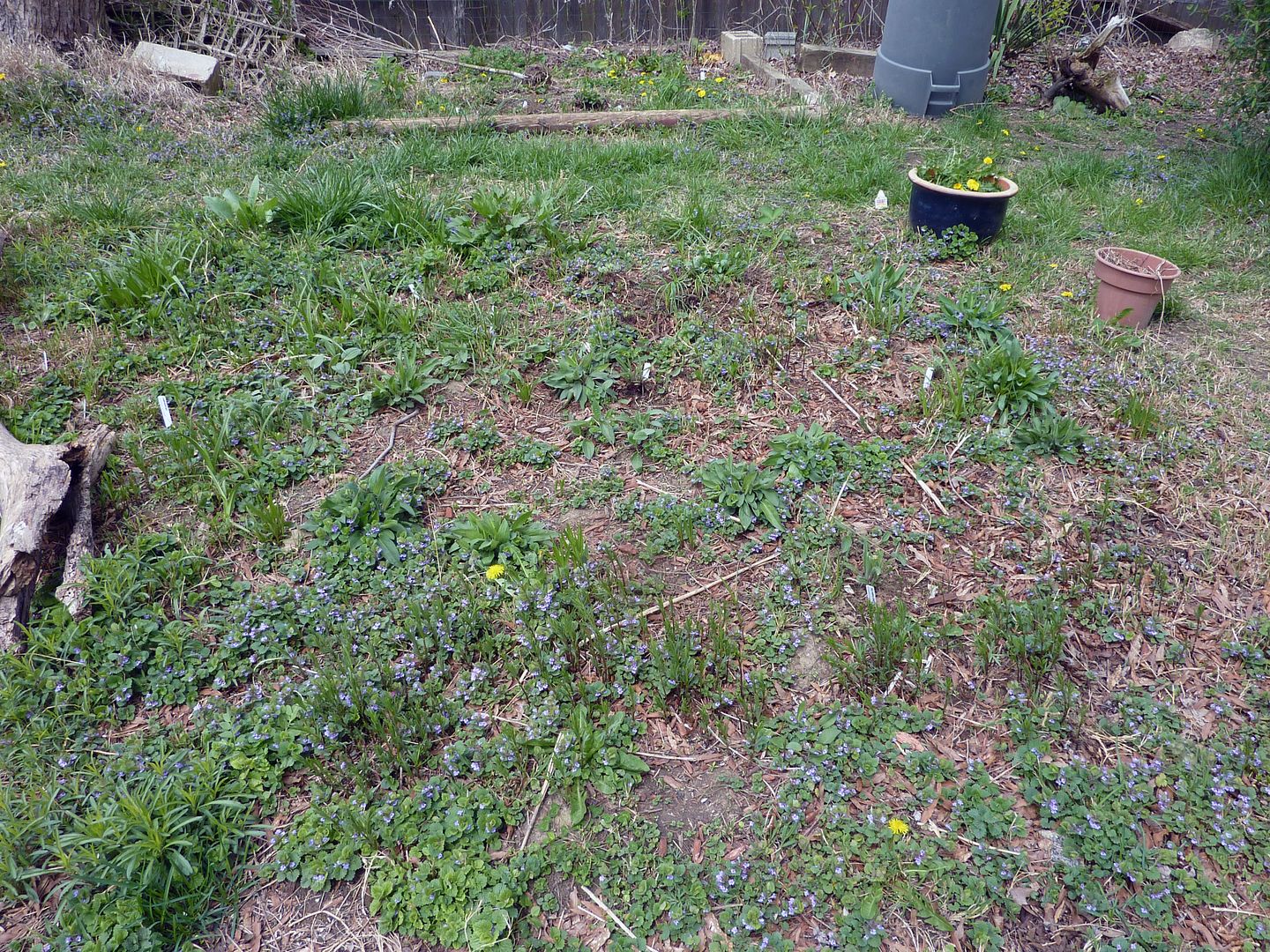
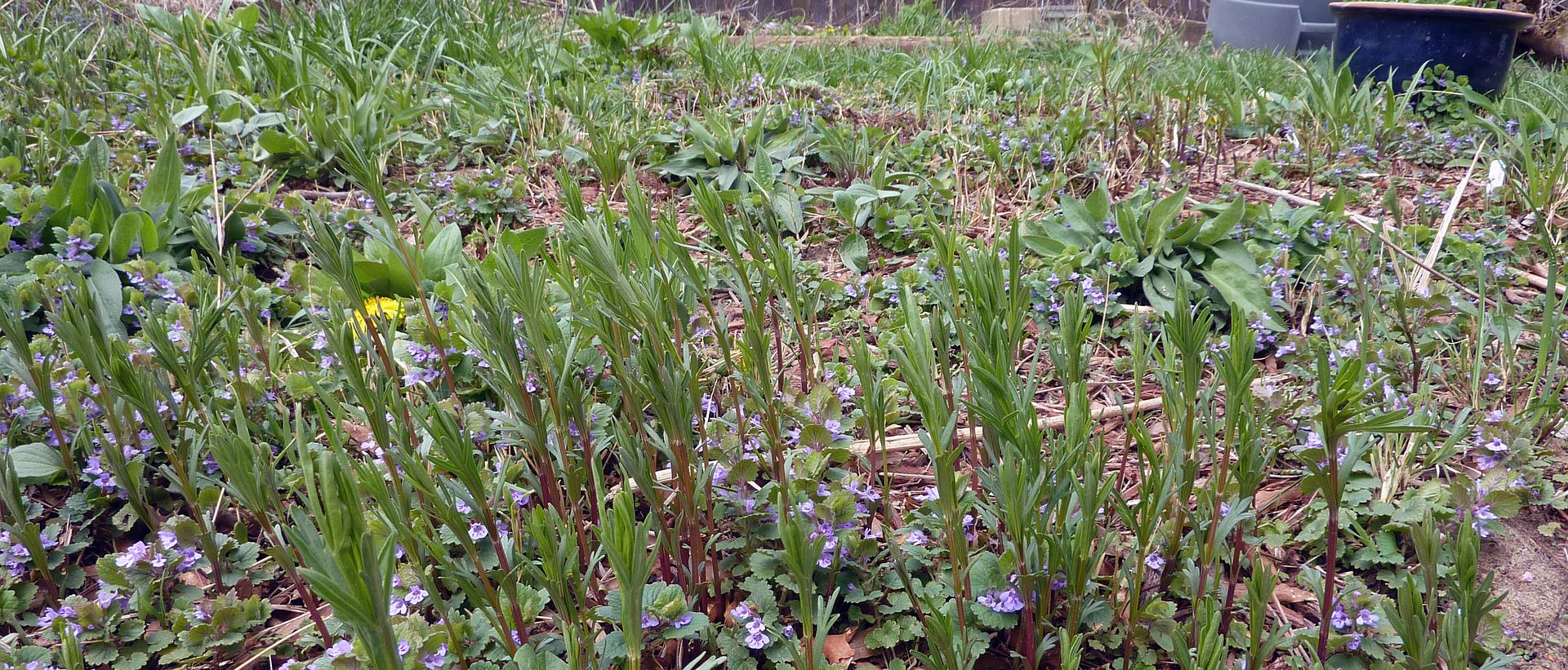
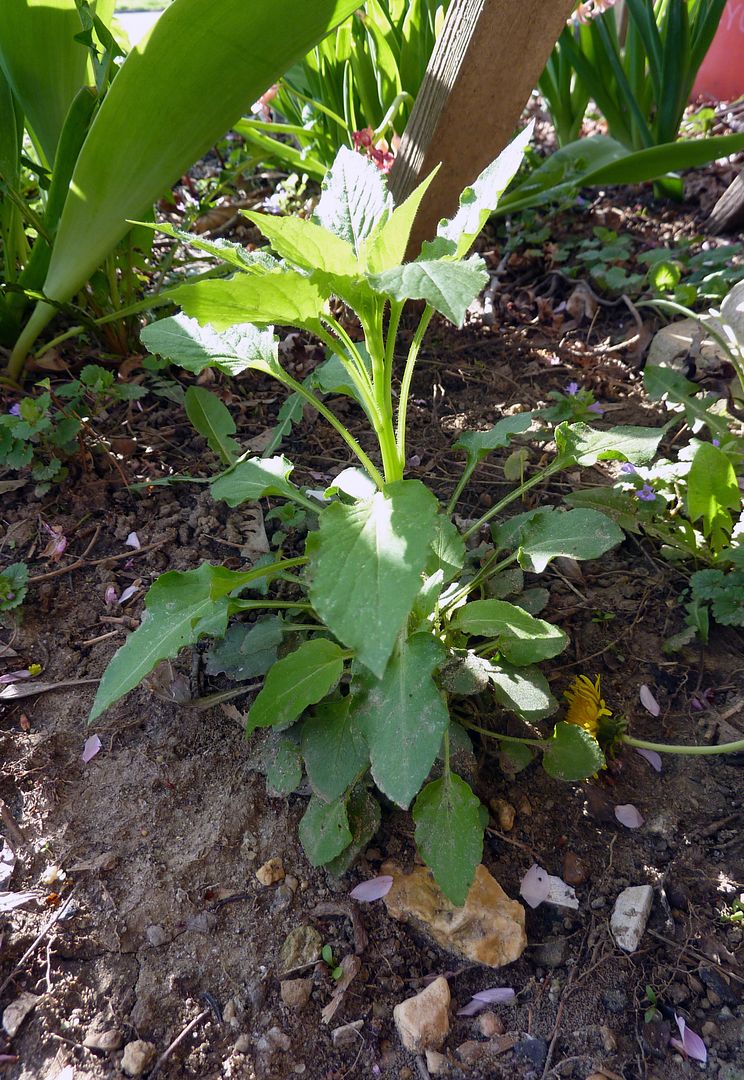
My little meadow garden has been waking up the past few weeks. Milkweeds aren't up yet and False Indigo has just poked out but Coreopsis, Spiderwort, assorted Rudbeckia and Asters have all started growing. There are plenty of weeds in there too such as Dandelion,  Creeping Charlie, and a rather aggressive spreading grass. I find these weeds useful because they mark where I haven't planted natives yet, and it's usually easy enough to replace the unwanted plant with a plug or something that I bought. 

Stiff Coreopsis, C. palimata, is particularly abundant thanks to underground rhizomes. It's a Midwest native that's been spreading steadily. They tend to flower before all the Black-Eyed Susan's do which is handy but they're never as dense or showy looking. What I find neat is that I started with maybe 10 plants and they've spread pretty well on their own. Black-Eyed Susans have seeded prolifically too, despite the slight amount of wood mulch. Neither is pushing out the unwanted weeds yet but they're approaching the point where I may have to start thinning them out or transplanting. 

Monday, April 22, 2013

Happy Earth Day

I don't really celebrate Earth Day by doing anything special. In my mind I think I celebrate the earth every day that I'm able to walk around and enjoy the outdoors. As a compulsive gardener though I can say one again I've splurged or didn't know when to stop and gone ahead and bought $800 worth of plants from almost a dozen nurseries that sell native plants.

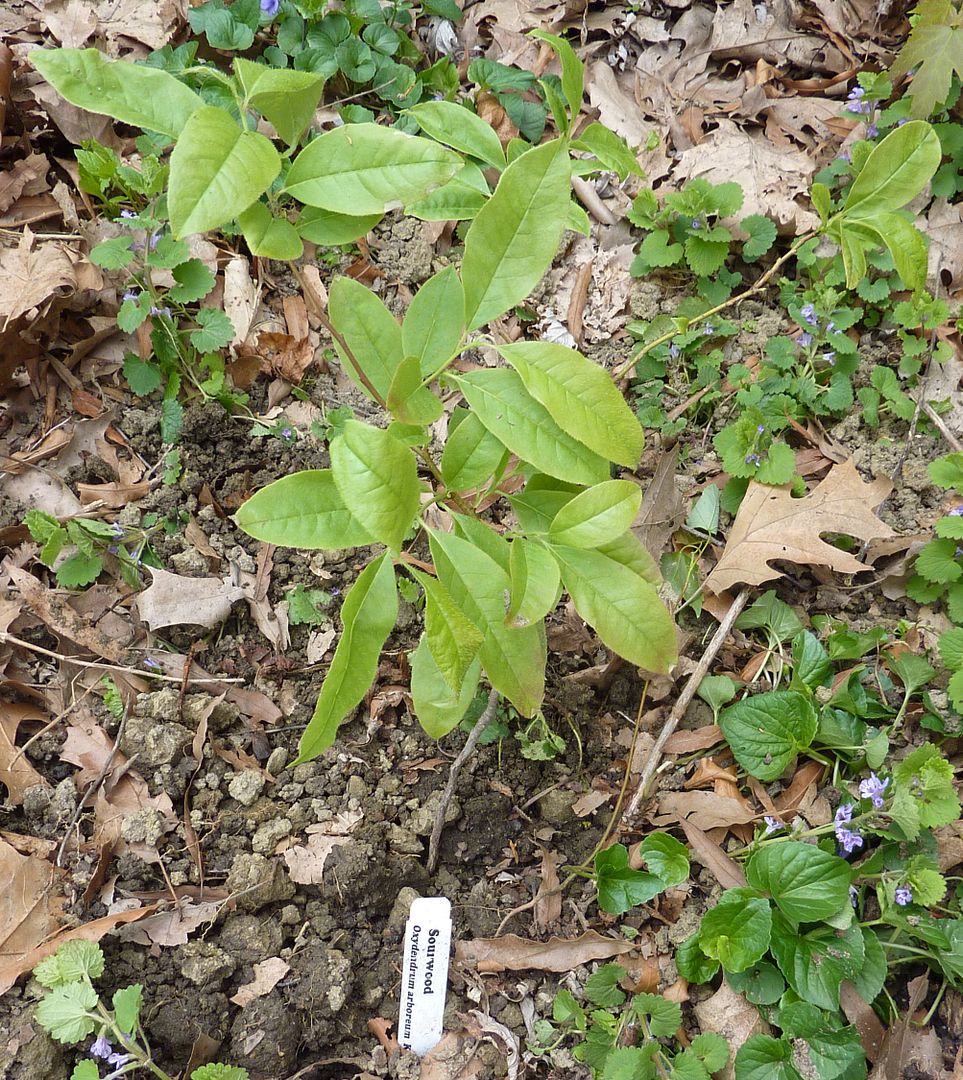
Sourwood, Oxydendrum arboreum, is probably going to end up being the prettiest tree I'll have planted. They produce bell shaped flowers that aren't entirely showy but they're arranged like exploding fireworks scattered throughout the tree. In the autumn time these seed pods occur in the same locations and the red foliate makes them pop out even more.

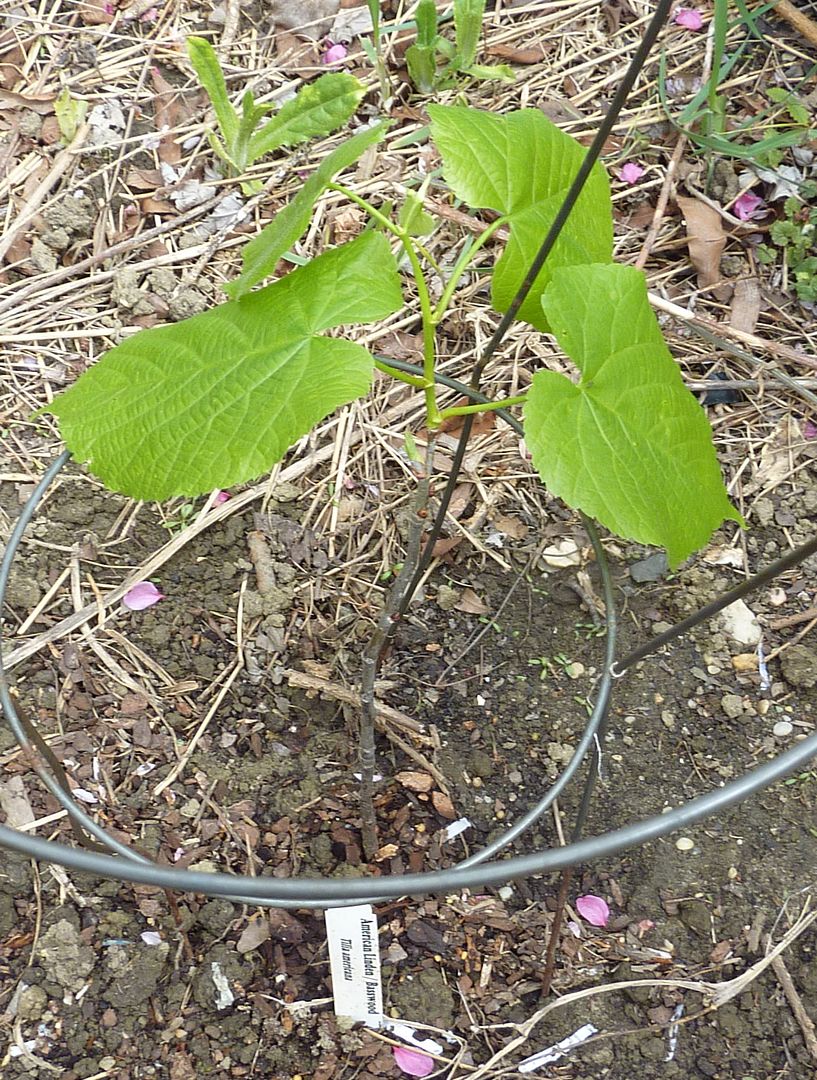
American Linden (aka Basswood), Tilia americana, also has red foliage in the fall time, which is pretty but they lack the seed pods of the Sourwood. Their flowers are slightly noticeable as a pale yellow or blond color. Bees really love them.

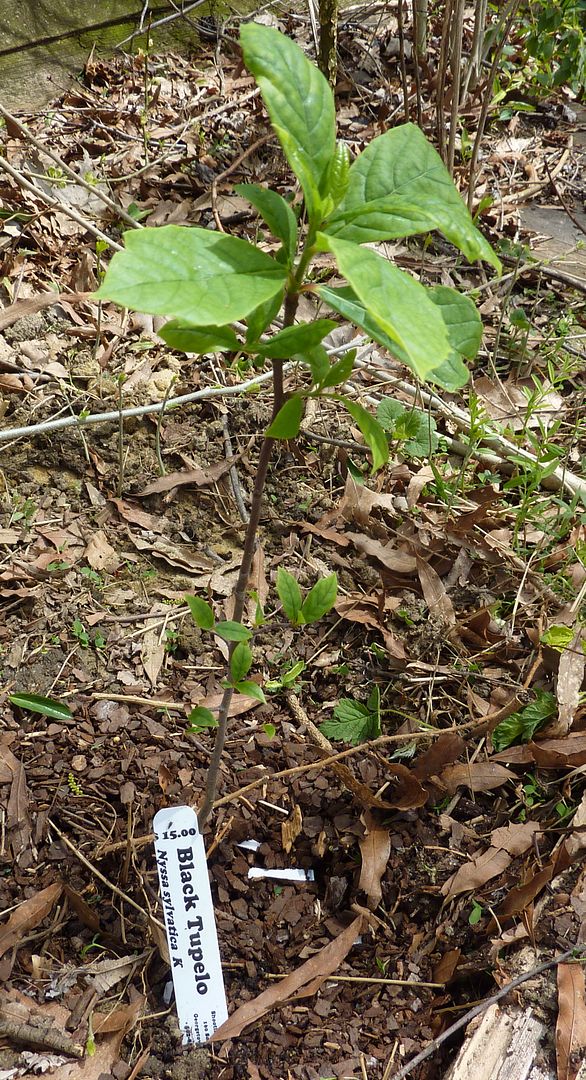
Black Tupelo (aka Black Gum), Nyssa sylvatica, is another red leaf tree in the Autumn. The flowers aren't showy in that they're green balls of blooms, but bees absolutely love them and they go on to produce tiny blue berries that birds love.

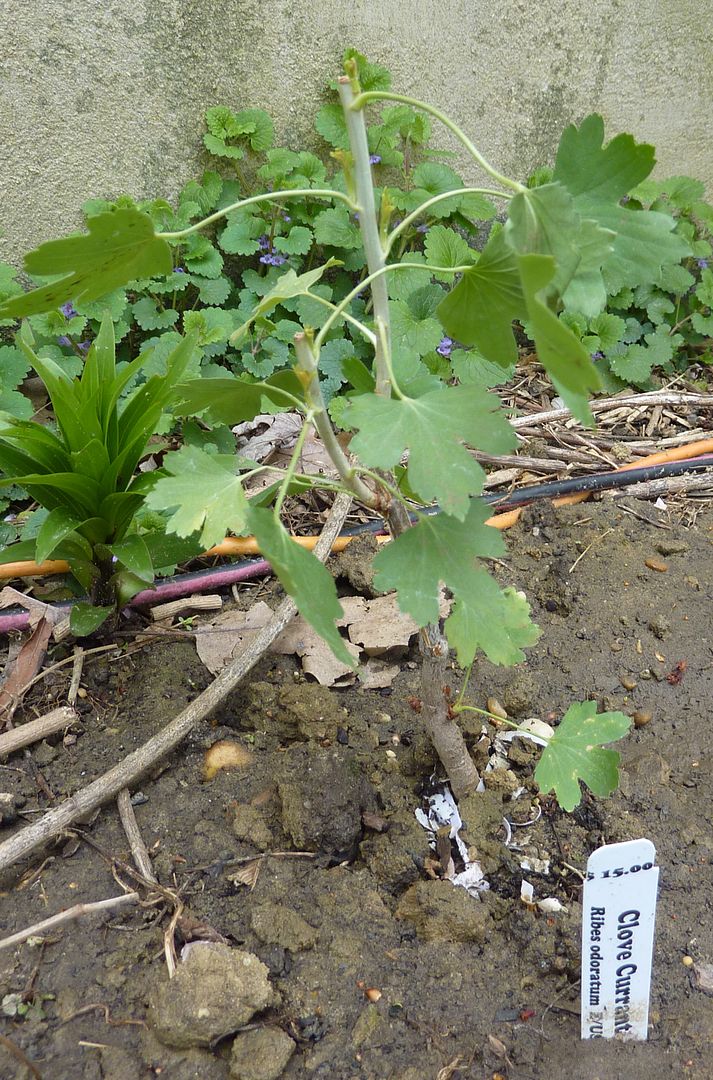
Clove Currant, turns into a shrub up to 10' tall and around.

Helianthus salicifolius 'First Light' is a more floriferous cultivar to the true species. Online images show them absolutely covered in flowers.

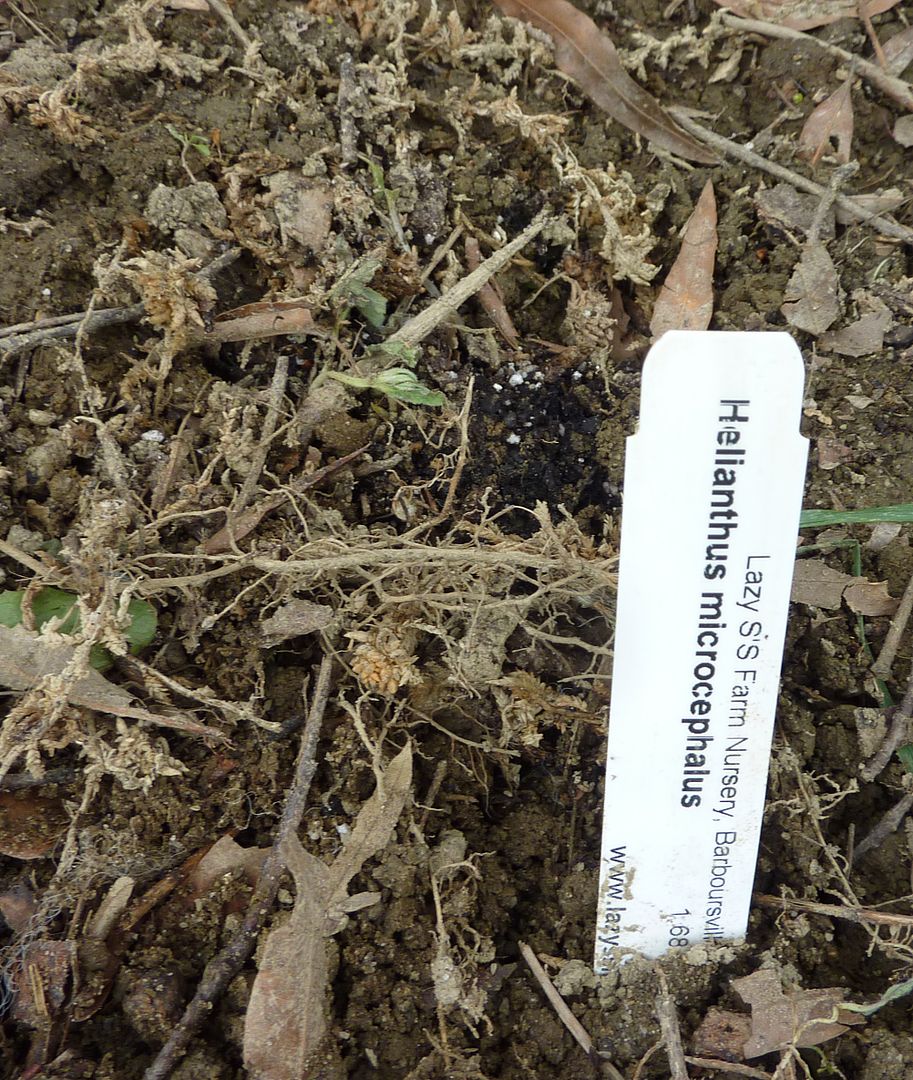
Helianthus microcephalus, is a small headed sunflower. Yesterday when I planted it, it was green and growing up a storm, but it seems a squirrel decided to eat off the stems, Bastards. I do wish to eventually find some plant that would kill the squirrels someday as they do stand in the way of a lot of my gardening exploits. 


Liatris mucronata, which produce a sort of thick and tuffy looking stem with flowers in the late summer and autumn months.

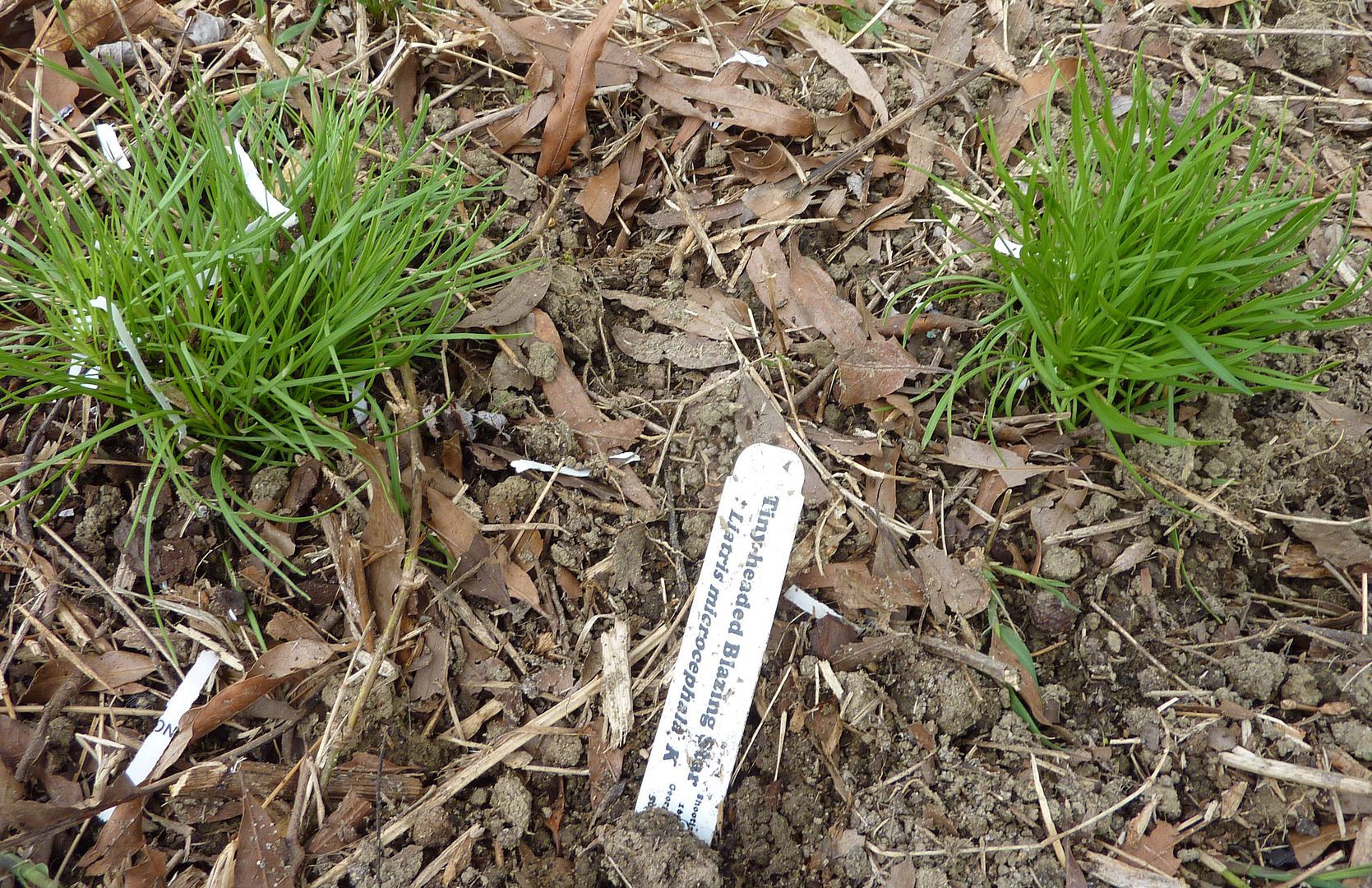
Liatris microcephala, which seem to make really tiny corms or at least send up dozens of stems out of one big one. These grow out very tight and grassy looking until they flower in the late summer and autumn months.

Sunday, April 21, 2013

Woodland Poppy 2013

Woodland Poppy, Stylophorum diphyllum, started flowering today along with a few other wildflowers. I'll be posting more on those later this week. The little yellow flower on this plant is as bright as a dandelion and loaded with pollen. Despite being a prolific seeder that ants are happy to run away with, I haven't noticed any new plants coming up at all. 

As far as Myrmecochory relationships go (ant plant seed dispersal) this one gets my top pick. They're way easier to grow than Trilliums, produce lots of flowers each year, have a long bloom time (April to early Summer), and start dropping seeds a few weeks from now. Their yellow flowers are a brilliant mix withing blue such as Virginia Bluebells.

A Baby Bellwort

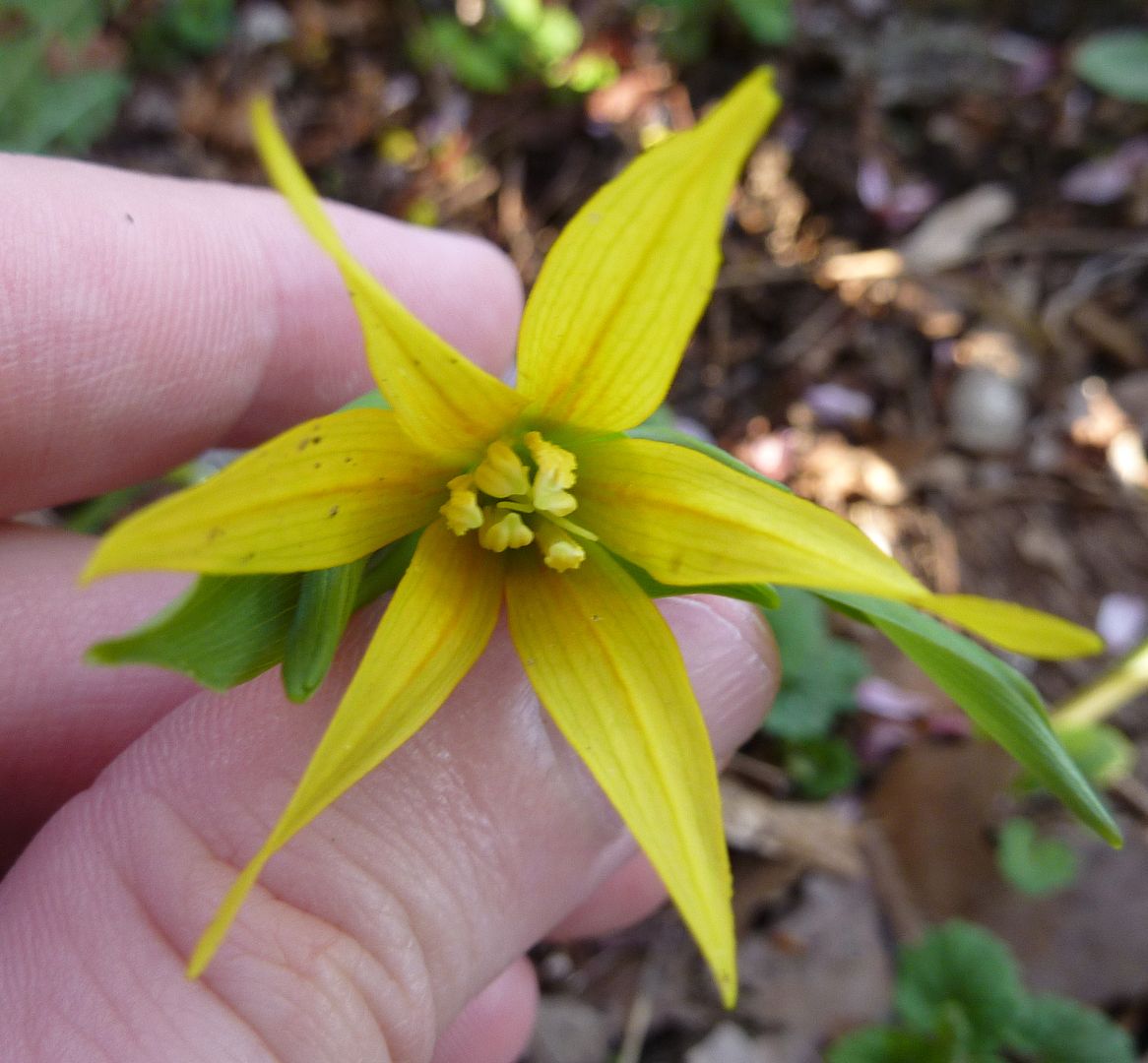
So this Bellwort, Uvulari grandiflora, has been here for three years, flowering the past two, and it's never grown past 3" tall. I waited to weed out the dandelion for scale purposes.

Normally they grow up to be 2' tall and have lots of yellow flowers hanging down under them, sort of like a Trout Lily but taller and with way more flowers.

Black Swallowtail Release

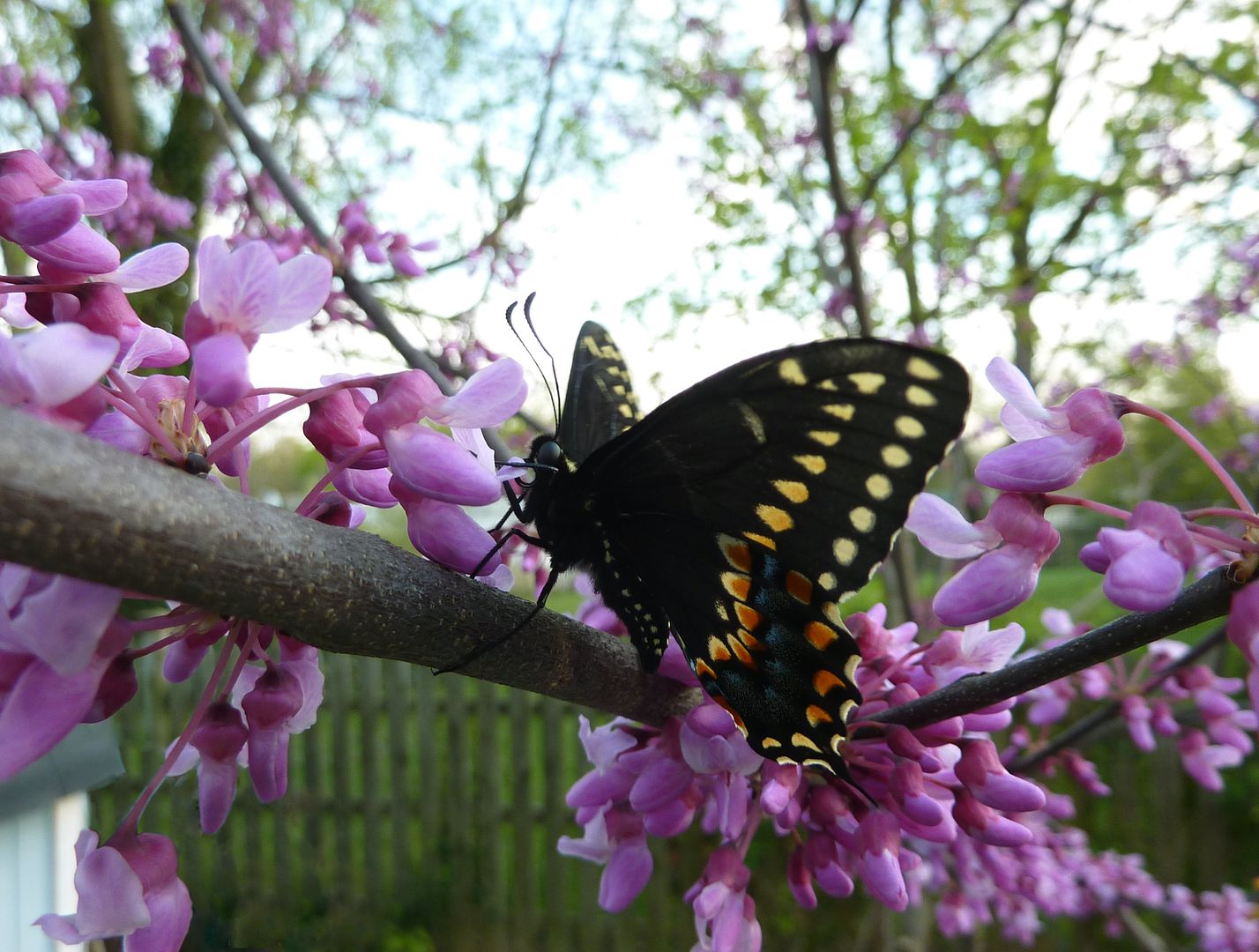
Alright, I'm throwing in the towel. I tried feeding it sugar water, two flavors of Gatorade at room temperature, and a bouquet of cut flowers, and still he refuses to eat. Finally I brought him outside and put him on various things flowering hoping he'd do something, but frankly he's too weak to fly. I let him go. He was on a flowering tree a while, I left to plant some things, and then he vanished. So either he flew off, or a bird got him.

Saturday, April 20, 2013

Beware Wasp & Hornet Queens

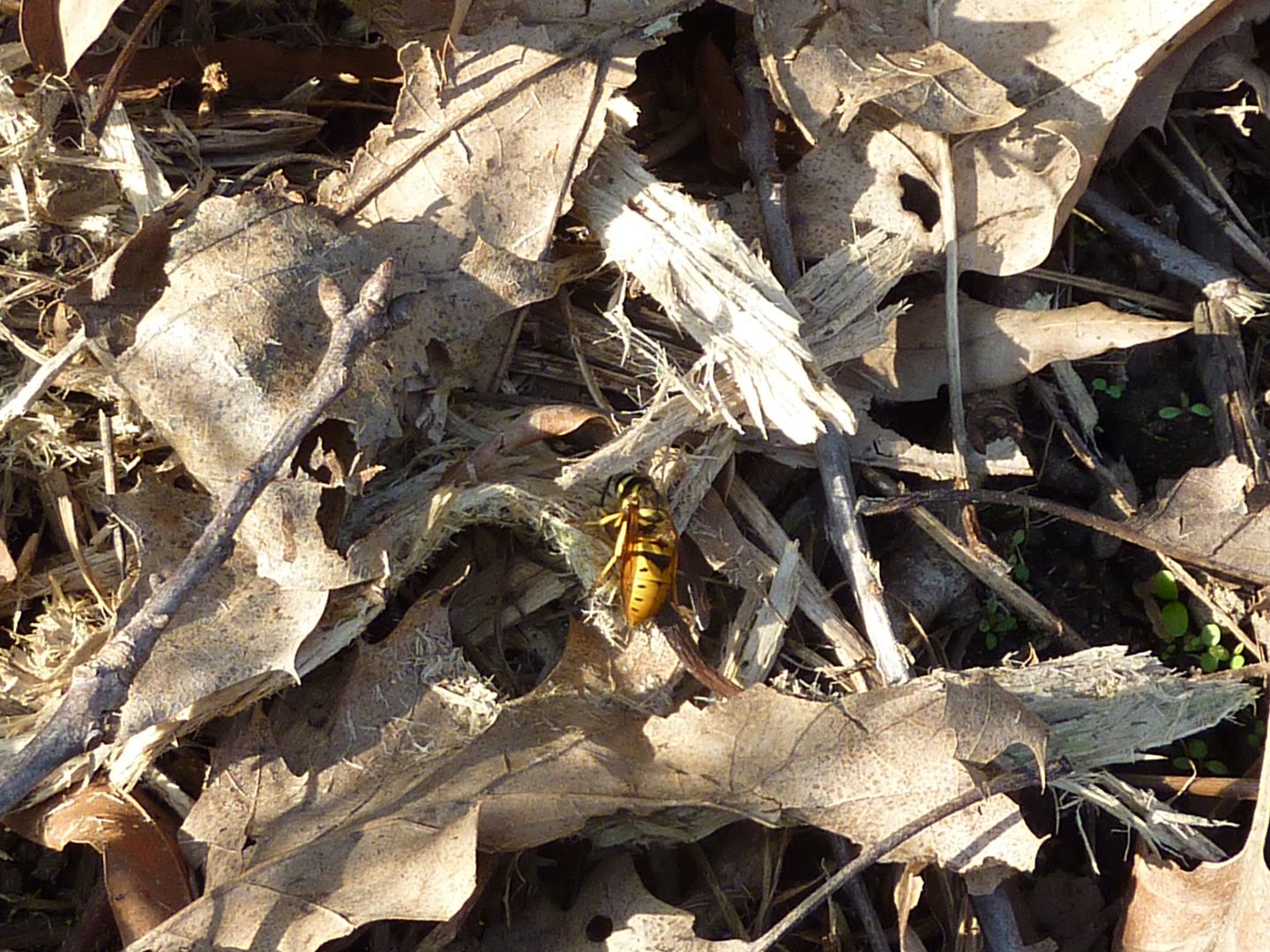
Mixed in with the usual garden chores around the home, should be paying close attention to what the wasps are doing. Here a queen yellow jacket is scouting for a spot to start her nest for the year. Discouraging them now can save you the trouble of getting stung later. Should you see them digging in the ground or walking about mulch and leaf litter, simply rustle things up in the area. They're usually good enough to fly off and find somewhere else. I've already discouraged two queens from setting up shop in my yard, though there might still be one in the mulch pile I need to locate.

Along with yellow jackets, keep an eye out for European Hornets which are also scouting around now. Queens are about twice as big as a Boring Bee, and seem to rival the size of a Hummingbird.

While a few wasps aren't bad, they can be devastating to butterfly gardens and will clear out all the caterpillars on your host plants. 

Common Violets

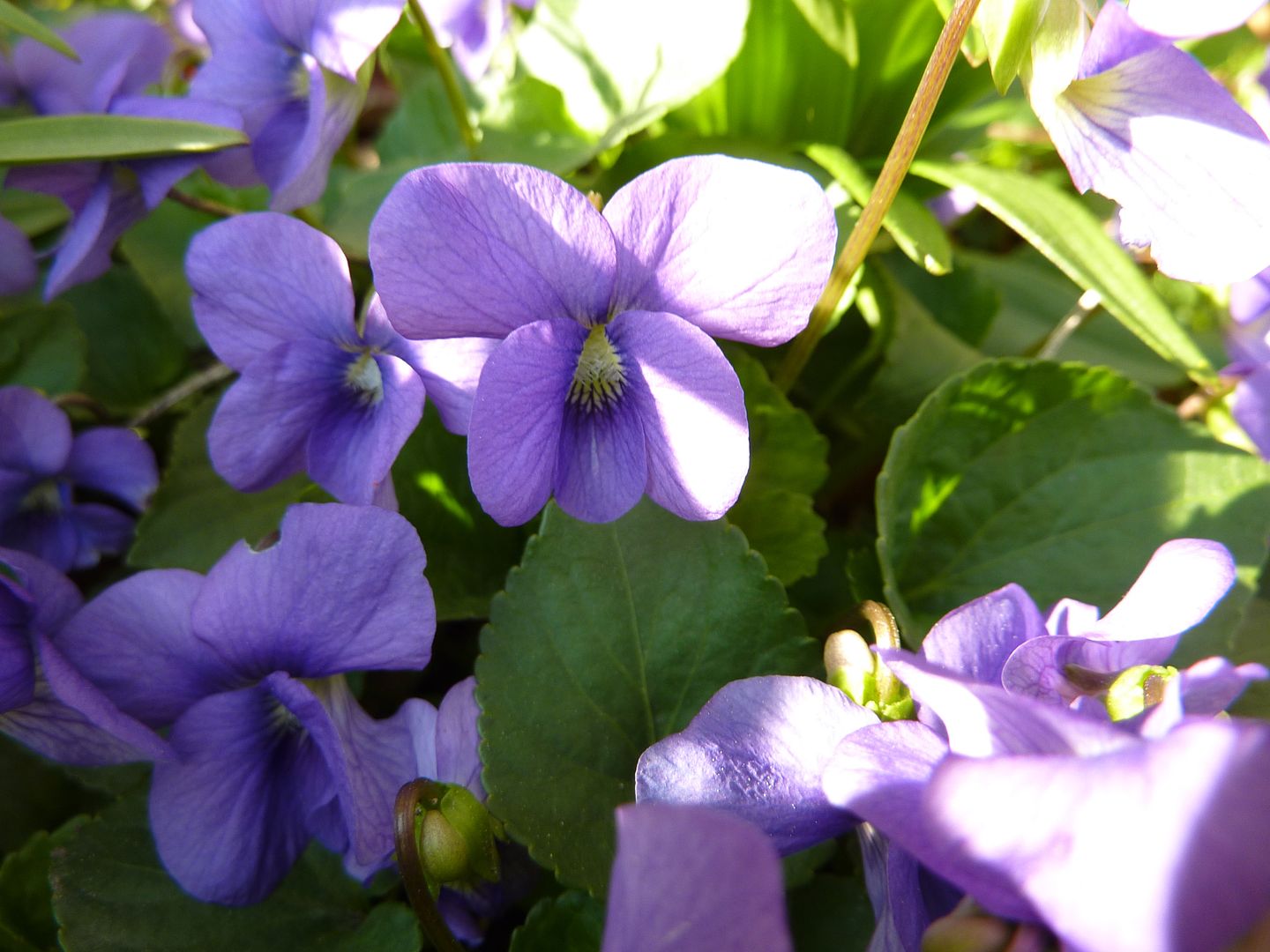
Among other lawn weeds, the Common Violet, Viola sororia, has joined in the show. The brilliant trait about this plant is it becomes a 6" to 10" clump of leaves which is perfect for a garden boarder or ground cover. A failing is that each plant pretty much just dumps its seeds on the ground resulting in hundreds of new plants right next to old one the following year. But this mass planting looks great once they all start flowering.

Tall Bellflower Taking Off

Tall Bellflower, Campanula americana, is really taking off. I started this plant from seed last year; I actually got about six of them to be successful but this was the only one to make it through the winter it seems. It was just a rosette of leaves but not it seems to be springing up to great heights.

It's a biannual, and hopefully last year didn't count. I know a lot of plants are "biannual" but also divide with underground root suckers and new corms. I know Liatris seem to do this despite their biannual status, and after examining the roots to the Fernleaf Phacelia, Phacelia bipinnatifida, I just planted it seems clear that at least some of them were connected by underground roots.

Anyhow, Tall Bellflowers don't seem to take up that much space in the garden, they grow well in shade or partial sun, Prairie Moon Nursery indicates they do well in average soil but not totally dry or totally wet. Prairie Nursery seems to say average to wet soil is best. I suspect the wetness is best to help germination along. I'm really looking forward to this one flowering and I'll probably be germinating some more seeds later in the year.

Friday, April 19, 2013

Prairie Nursery

Prairie Nursery is donating 5% on the on select items to the Xerces Society in celebration of Earth Day next week, April 22. As well as 5% of milkweed purchases to Monarch Watch.


It's Like Christmas Time

Boxes keep arriving full of plants for me to plant. Since I wrote my own book on "Native Plants for Honeybees" I figured I'd take my own advice and install so real treasures. That's not to say I didn't research at all, but I personally haven't some of them, and many of the good ones sadly I don't have photographs of. 


These all just arrived from Shooting Star Nursery:

Basswood, Tilia americana, also called American Linden Tree. This is actually a common street tree in some neighborhoods, but I haven't seen any of it growing around here. I know someone who planted one but it didn't make it through the winter which is odd because they are hardy. This is one of those great summer nectar sources for honeybees to enjoy. The flowers are said to have a sweet distinctive scent (see Mitchell and Webb).
Fall Color is Red.
 
Sourwood, Oxydendrum arboreum, is another good summer-ish nectar plant. The flowers are bell shaped, like those of blueberries and heathers, and occur along horizontal "strands" almost like exploding fireworks which bees have fairly easy access to. It's said to be a high quality honey.
Fall Color is Red, with lines of yellow or blond seed pods all over.

Black Tupelo, Nyssa sylvatica, is a massive tree that grows in the bog and wetlands down south. This species, I've read, can tolerate growing in average moisture and should be somewhat drought tolerant onces it's established. Tupelo honey is said to be one of the best tasting in the world, and while I doubt one tree will be enough to get that pure tupelo honey, I look forward to adding it's flavor to the typical wildflower mix my bees produce. Great nectar plant.
Fall Color is Red.

Clove Currant, Ribes odoratum, which I believe is a synonymy with Ribes aureum. Anywho it's an early blooming shrub with wonderful fragrant yellow flowers. Honeybees use it for both nectar and pollen, however it does have seperate male and female plants so you don't necessarily get both on one plant. Females that get pollinated will make berries that I read are tasty both for humans and the birds. 

Purple Flowering Raspberry, Rudus odoratus, which has brilliant 2" red/magenta/purple flowers worthy of any rose garden, that go on to produce edible raspberries. I'm scratching the back of my head wondering why this isn't planted more often? And why isn't is more widely available? What's more, why haven't growers gone nuts breeding the flower traits into other varieties? At the very least you'd expect them to breed in the lack of prickers along the stem wouldn't you? Raspberries are good nectar and pollen plants for honeybees.

Prairie Rose, Rosa setigera, is a climbing or tailing rose with a vigorous growing habit. Native roses are often labeled as aggressive spreading both by seeds and by runner/root suckers. Well I can't argue the seed aspect but that's easily solved by dead heading. As for sending out new stems along the root system, in truth this varies from plant to plant and can even be bread out of them. Roses only produce pollen for honeybees, and if the bee doesn't have to dredge a labyrinth of 50+ petals all the better.

Blood Root, Sanguinaria canadensis, which is a native wildflower that only produced pollen. It's also one that I went a little nuts with and apparently ordered it from several other nurseries as well.

Tiny-Headed Blazing Star, Liatris microcephala, which is just to add to my collection of Liatris species. Liatris produce okay amounts of nectar but I don't believe it's ever collected in high enough quantities for it's only honey type. I find this strange though because I know honeybees love this plant, and there are defiantly fiends that are glowing with Liatris when they bloom. I suspect there's too much else flowering in the same fields when they are to narrow it down.