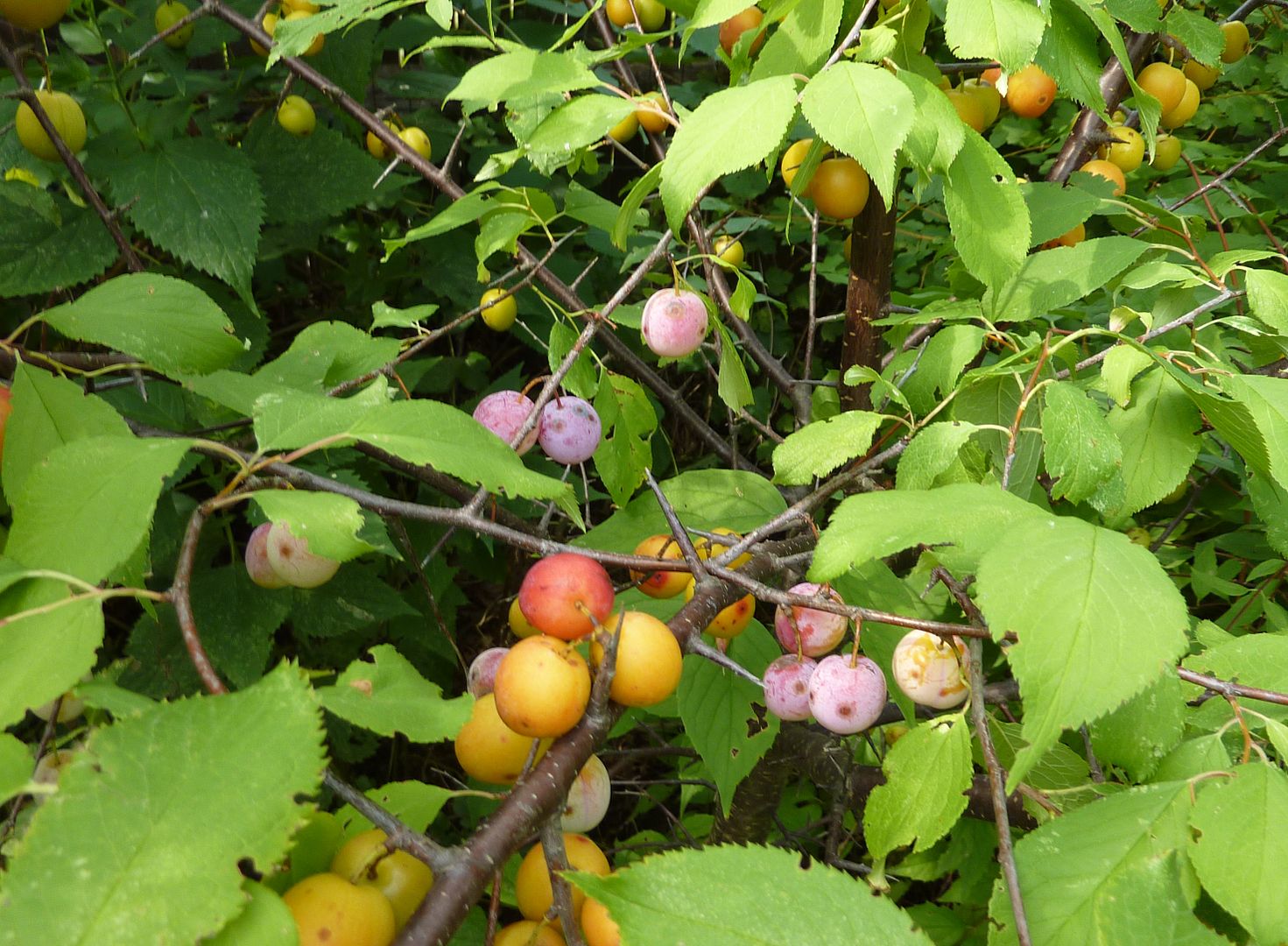
A few years back I bought some Native Plum trees, Prunus americana. It's been about 4 or 5 years now and they've finally decided to fruit. Some fungal spraying was necessary which I did every two weeks.
These trees like to produce! The fruit is very sweet. I have only found a worm/caterpillar in two of the fruits which seemed to ripen earlier than the rest. I've probably pulled 400 of these bite sized fruits off the trees in total, with another 200-400 left to go. So far the wildlife seems to have left them alone which is always a plus, and something my Peach and Nectarine trees can't say.
As you can see they are bite sized and the color ranges a bit. I believe one of them crossed with a different variety at some point as its fruits are purple and have dust on them, where as the true species are yellow, mostly dust free, and turn red when ripe. They're about the size of cherry tomatoes, and delicious to eat. I highly recommend them.
People have complained that this species sends up root suckers. Actually all plum trees do this so I don't consider it a valid complaint. A lawn mower or pruners make short work of them. In nature the root suckers serve to replace the trunk as the heavy fruit yields each year are often so heavy that they snap the tree's branches. In this way single trees can form their own grove and potentially reach other trees to cross pollinate with.
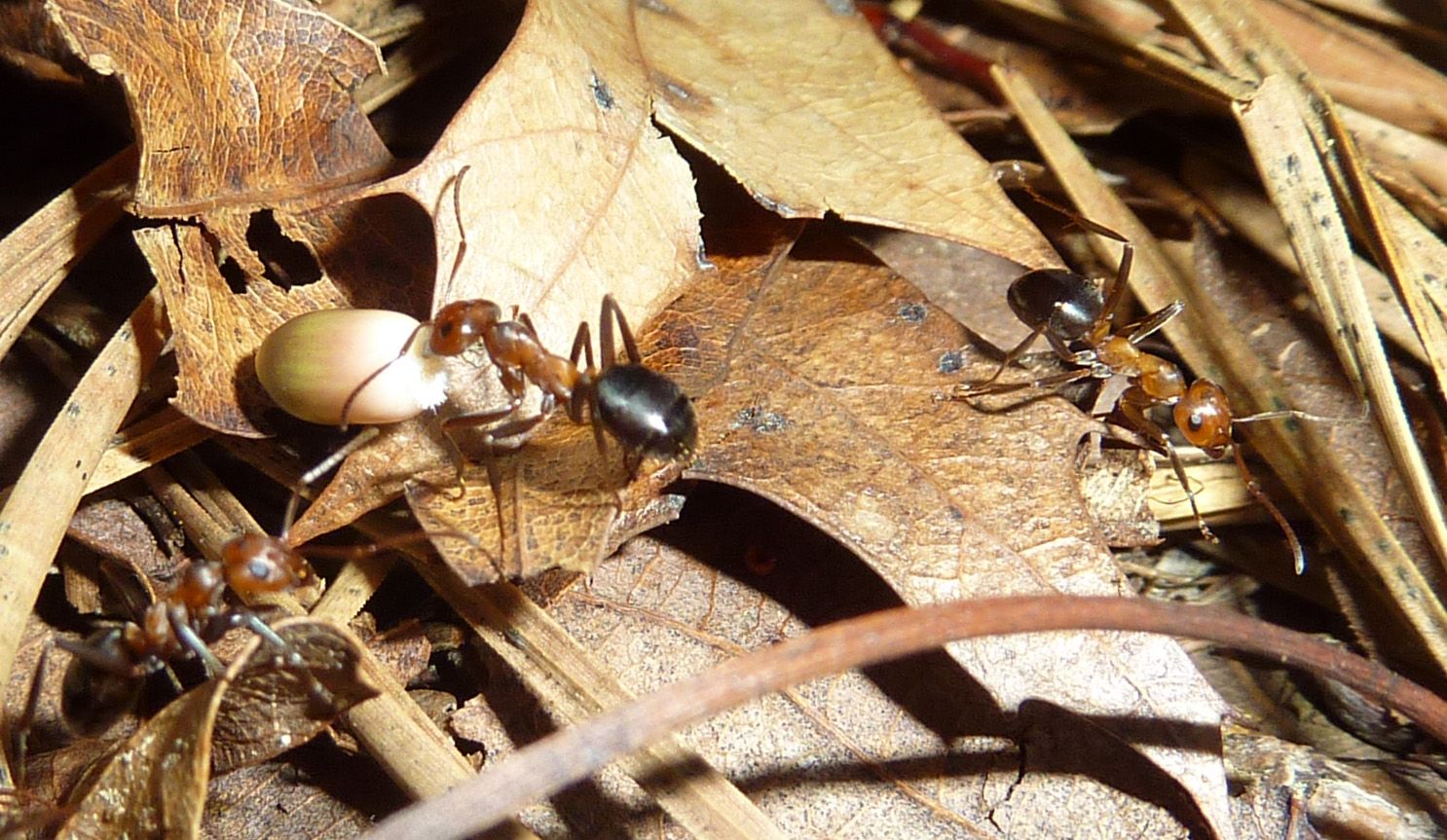
We spent most of the day at Rancocas where we found a lot of the usual suspects among ants. Camponotus chromaiodes, C. pennsylvanicus, assorted Aphaenogaster, Formica and Lasius species. Most of these are ants you can find in your own backyard or local park provided there are trees around, dread wood present, or rocks to look under.
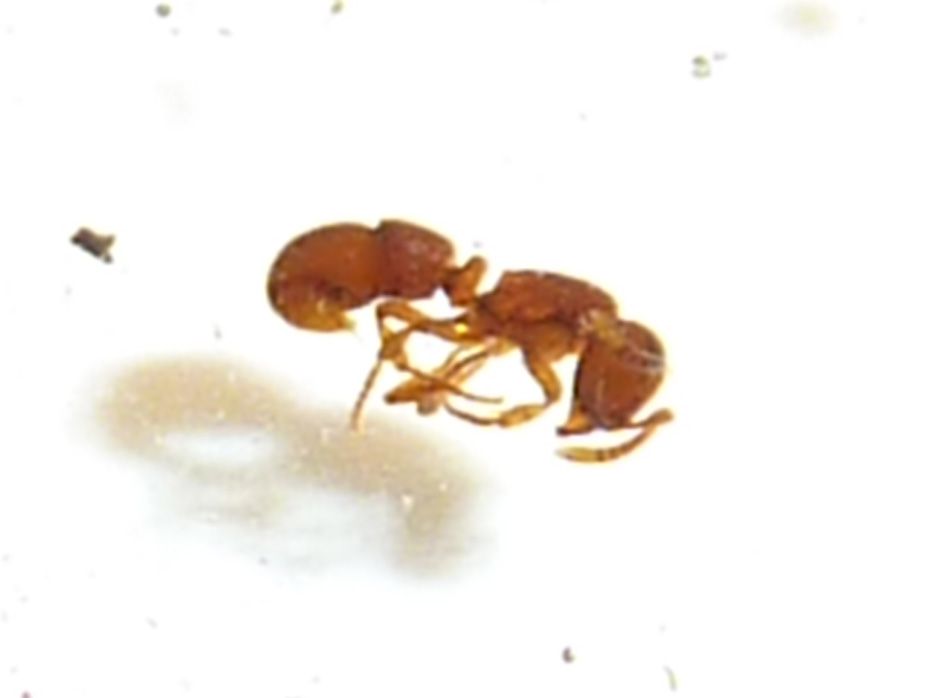
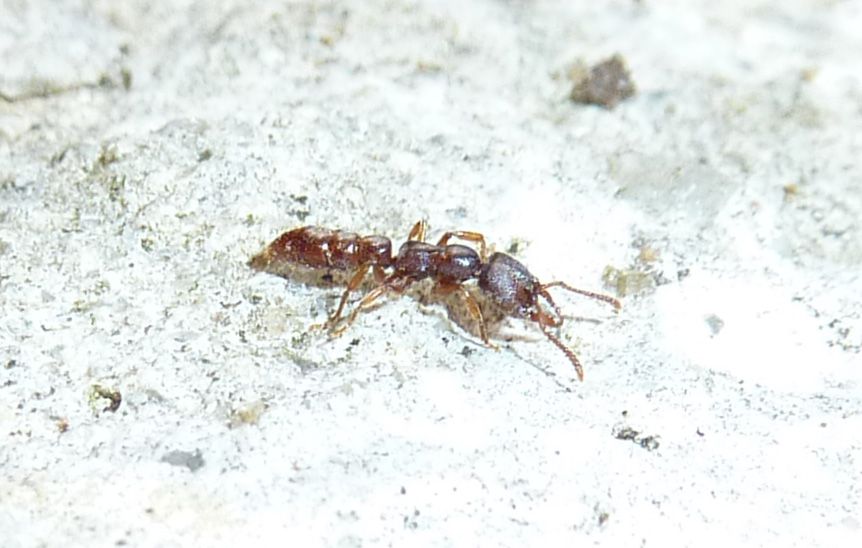
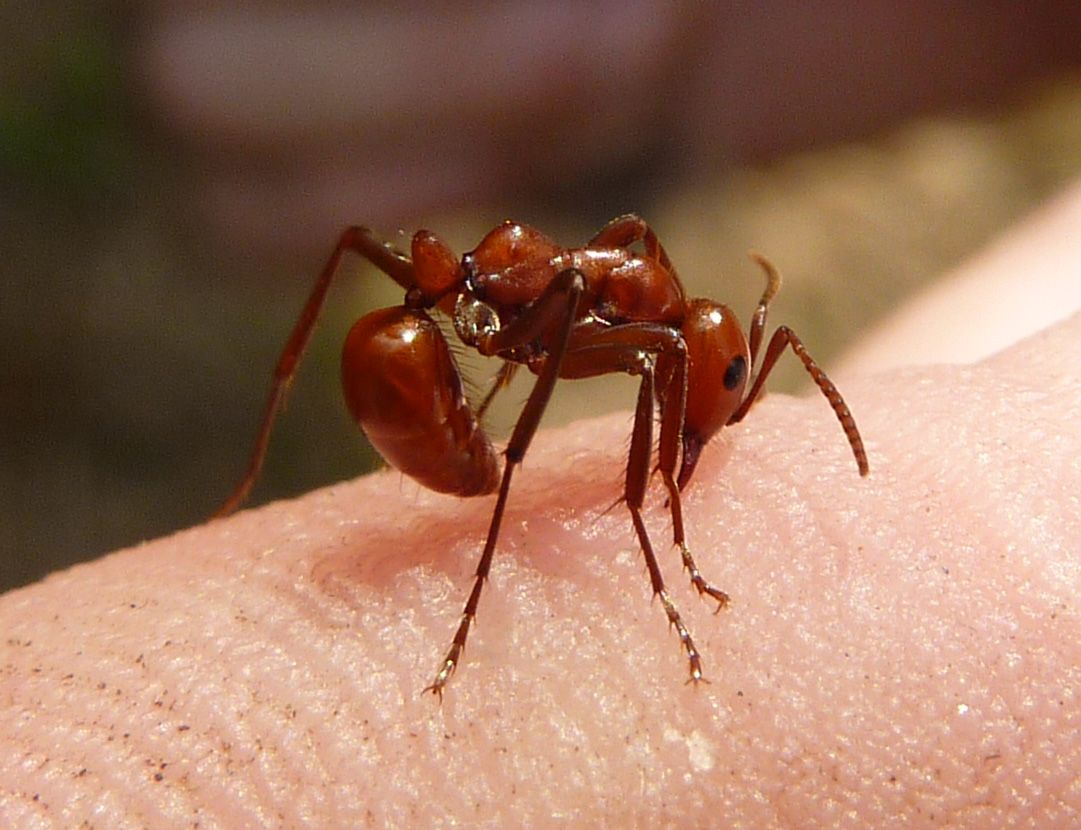
Some of the rarer ants though included a Pyramica colony, which are specialized predators of springtails and only found in leaf litter and rotting wood.
The Pyramica colony we found in better detail thanks to Matt.
Proceratium is another such specialized predator. The end of the gaster in its normal state curves around to point forward. This allows the ant to sting pray items in the tightest of spaces. This is not an ant one typically finds without sifting through leaf litter and dead wood.
Stigmatomma pallipes, (formerly Amblyoponera) is a specialized predator of centipedes. After taking down a pray item they haul it back to the nest for their larva to devour. In normal ant societies the larva would then regurgitate the digested food for the workers, however these ants don't do that. Their common name Dracula Ants because the workers will puncture their own larva in nonlethal ways to feed on the hemolymph (insects blood) within. A pretty cool find if I do say so myself.
Polyergus lucidus was another cool find, and somewhat more common. They're parasitic ants that raid Formica colonies for developing cocoons. Brought back to the nest the young Formica workers are born into the Polyergus colony and go about their normal tasks of foraging and maintaining the nest. Polyergus are sometimes called slave raiding ants because of this but the term isn't all that accurate. The Formica workers are doing what they would do naturally had they been born into their own Formica colony.
Formica exsectoides by far was the most impressive ant I've seen to date. Their mounds are massive, they forage a good 60 to 90 yards away, they setup sub colonies pretty much wherever there is sun, and you can hear them rustling through the leaves of the forest floor. They spray acid to fend off bear attacks on their mounds! These ants are awesome!
Overall this was a successful ant trip, and I hope to do this again next year.
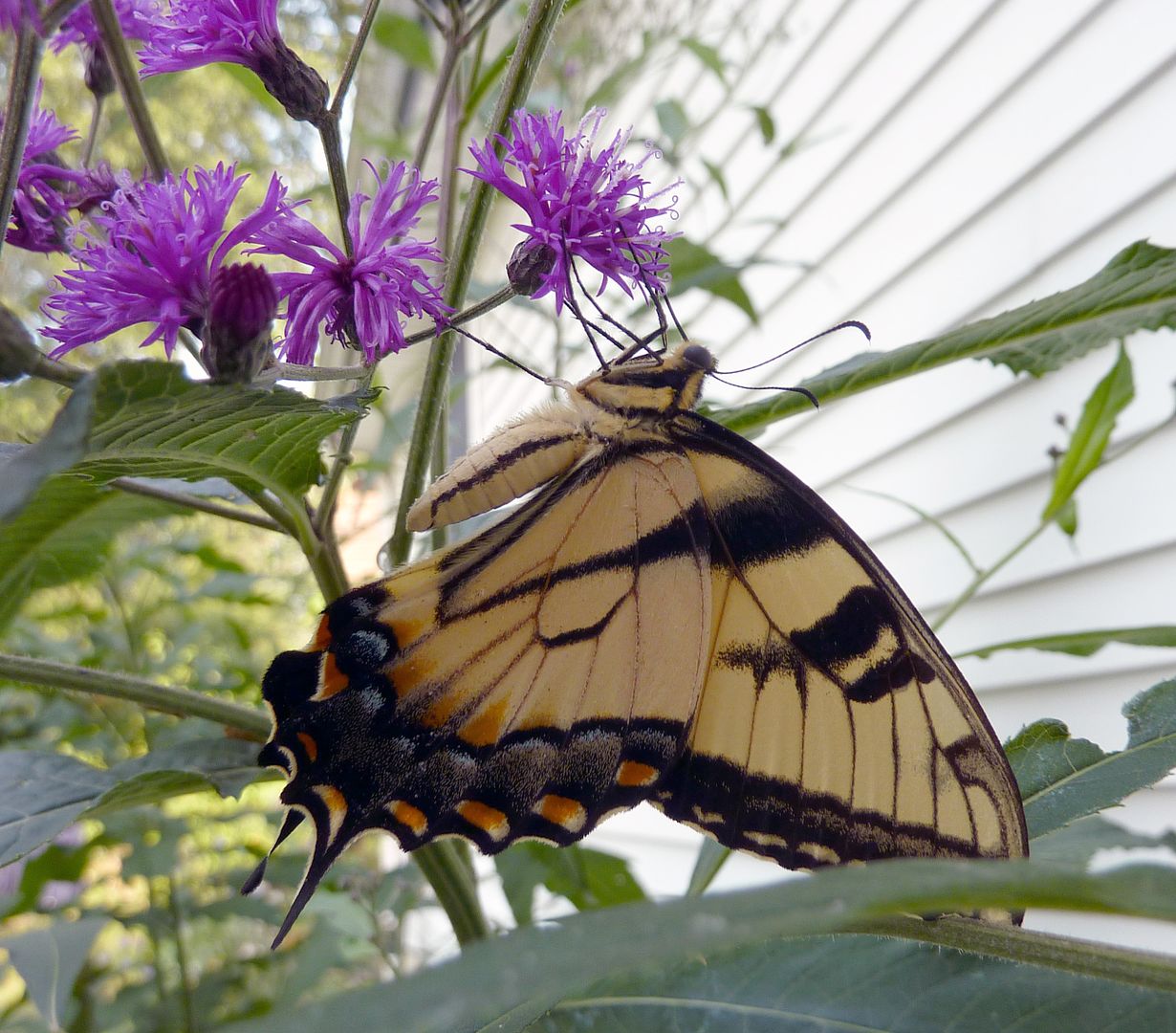
Swallowtails and Monarchs are starting to become common sights flying through the yard. Here an Eastern Tiger Swallowtail, Papilio glaucus, stopped to sip at the Ironweed, Vernonia sp.
I rarely see anything on the Ironweed, especially compared to other plants flowering at this time like Mountain Mint, Button Bush, and Anise Hyssop. They're just starting to open up though so I'll give it a few more weeks before rendering my final judgment on them. When I do see pollinators on Ironweed it tends to be butterflies so that's a plus.
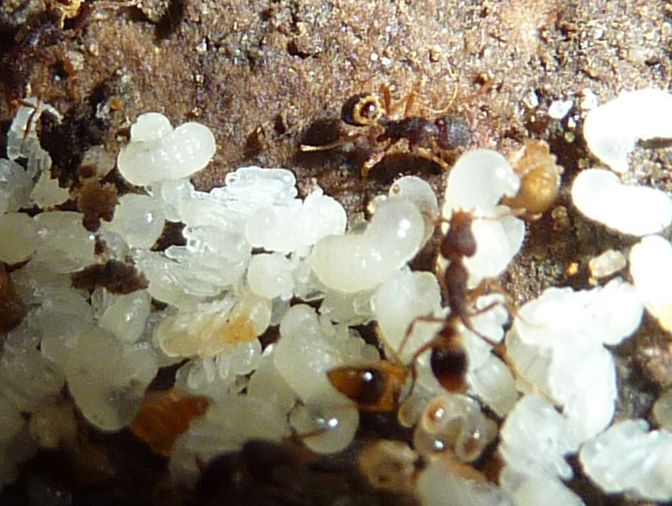
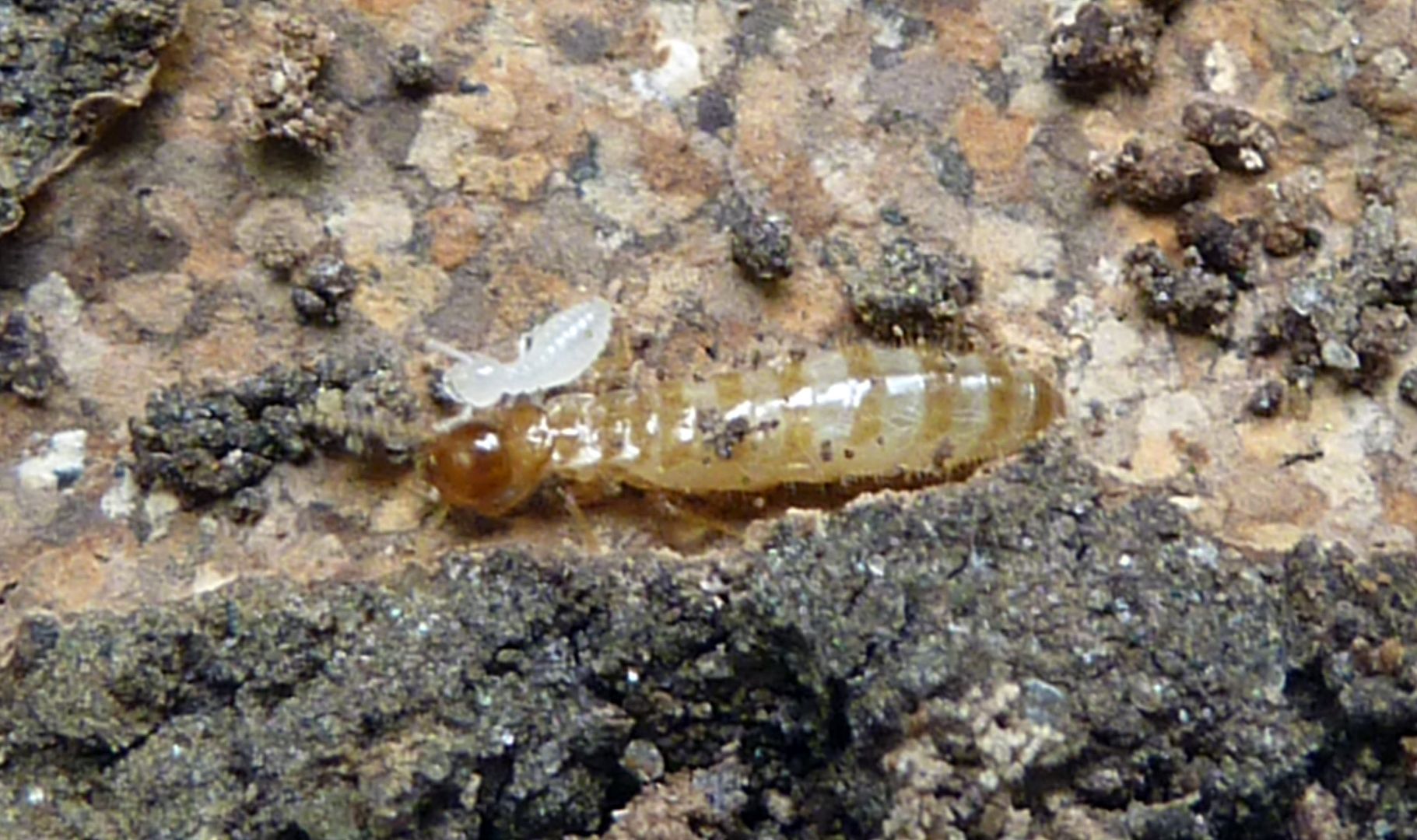
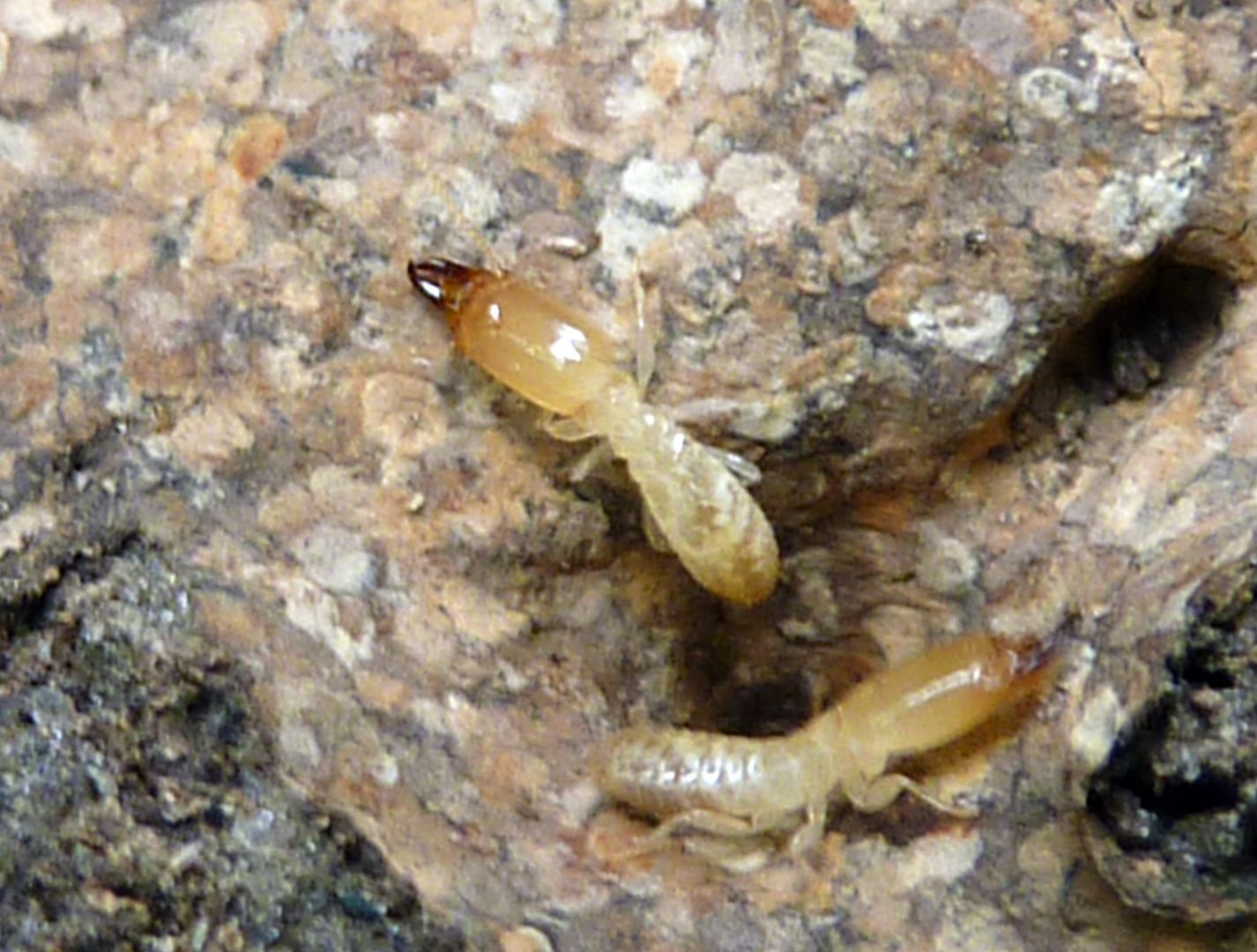
I have no idea what species this but while lifting logs in the yard I found a termite colony. Here you can see a queen next to a developing nymph. Termites go through what's called "incomplete metamorphoses" meaning they lack a larval stage. From an egg a developing nymph emerges and it's caste can be influenced by what and how much it eats. This colony actually had multiple queens in it. I've read colonies often start out with a single founding queen and king, however they only live for 2 to 5 years or otherwise eventually die. Normally this would be the death of the colony but some species of termites have developed a method to get around this by making more queens that breed inside the nest.
You may assume having 100 queens is better than just 1 but even this system has its disadvantages. The one healthy queen they started with was receiving the full attention of the colony. That attention now has to be split among 100 others who will probably never live up to their founding mother's glory.
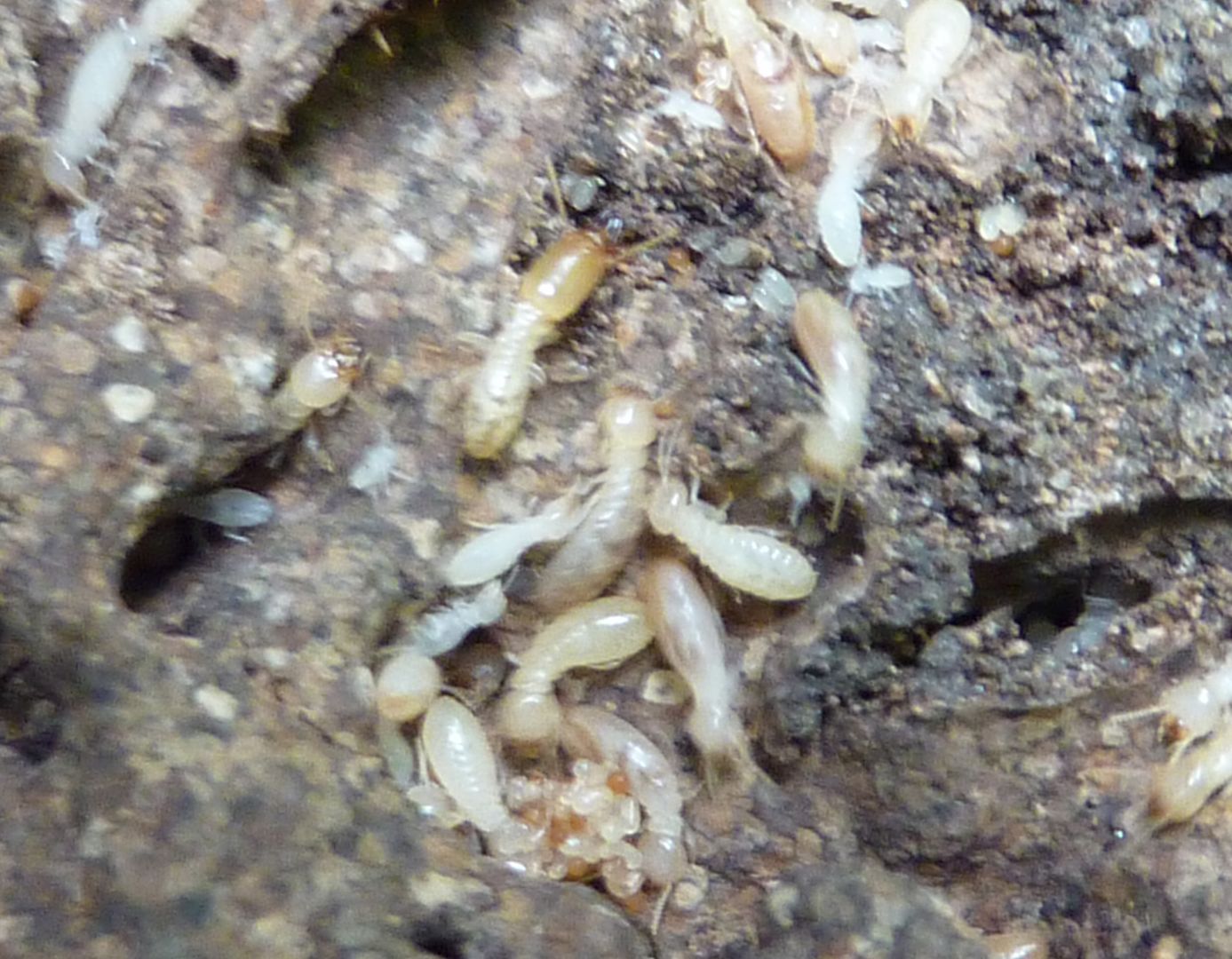
Here are some solders roaming about. Notice how the nest texture is similar to cork board instead of the earth that surrounds it. The nest was a mix of subterranean and damp rotting wood.
In the lower middle you can see some eggs among other things. The brown spheres are a sort of fungus that the termites don't eat. It purposely shapes itself like the termite's eggs. Alex Wild has better photos of this.
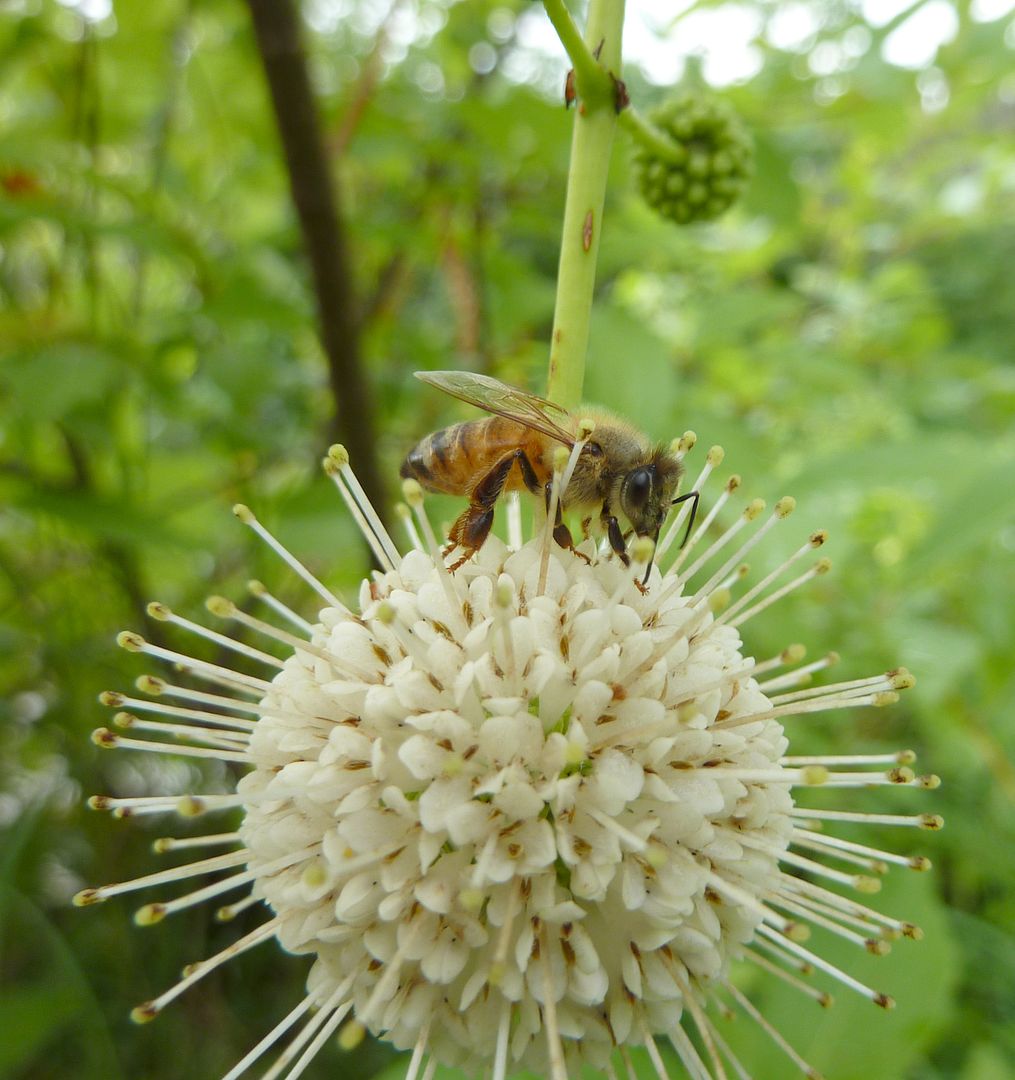
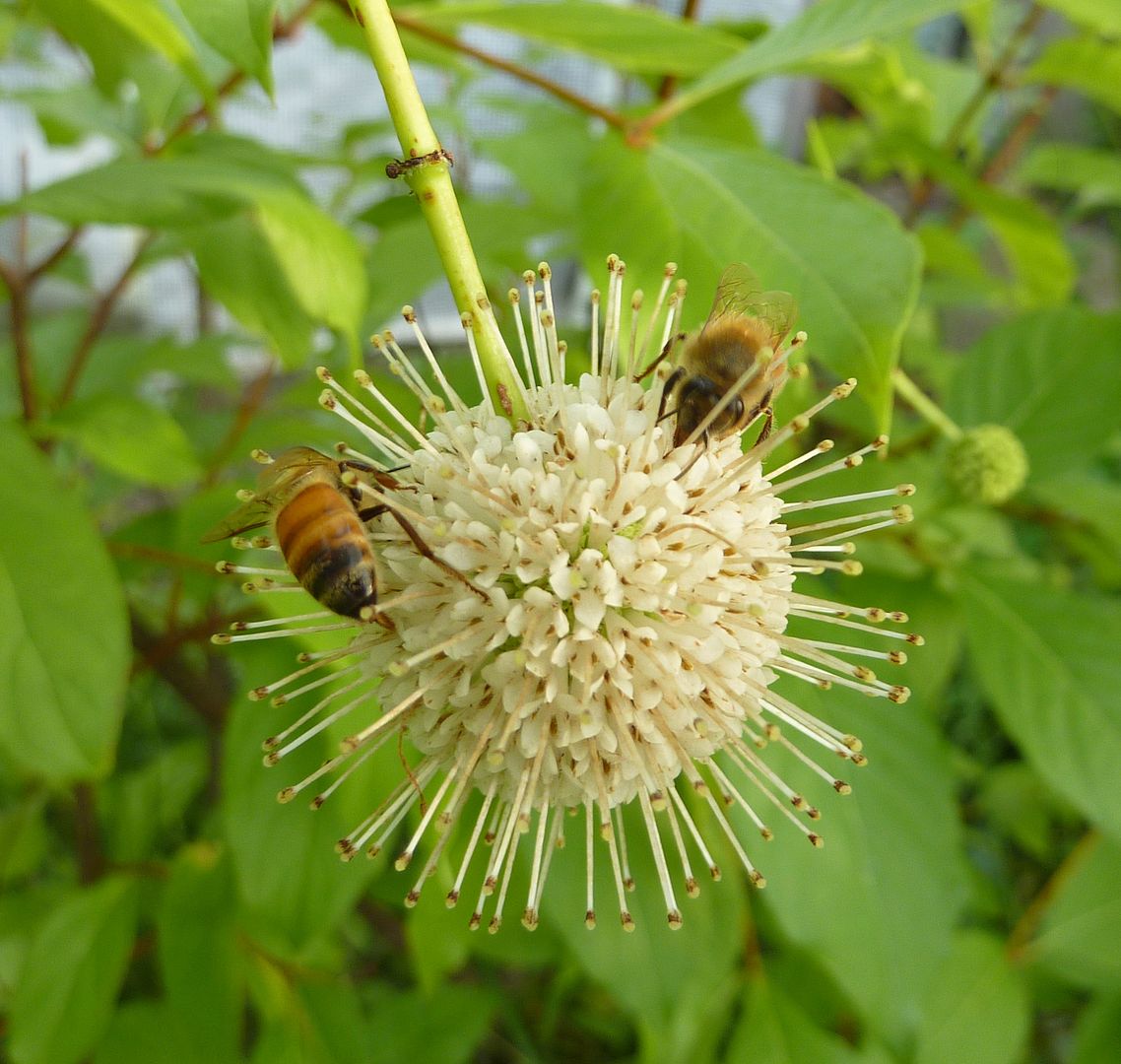
In the past week the honeybees have really taken to my garden. They were working all the Butterfly Weed, Mountain Mint, and Buttonbush in my yard. The Anise Hyssop is just starting to open up too and I'm sure the bees will be all over it in a few days.
The buttonbush I'm particularly proud of. Two years ago it was only a 3gallon pot. Last year it produced only 4 flower balls and even then it was enjoyed by a few honeybees.
This year it seems to be making a few dozen flower clusters.
Asclepias syriaca, Common Milkweed, is a well know menace among farmers. A single plant quickly sends up root suckers in an ever increasing network of roots. The air born seeds allow them to spread around quickly too.
Personally I've grown this species for the past 4 years and I've found it to be fairly tame. Granted it's not getting a whole lot of sun but enough to call it full sun. It's in heavy clay that doesn't drain very well. So it's not imposable to grow it in a garden.
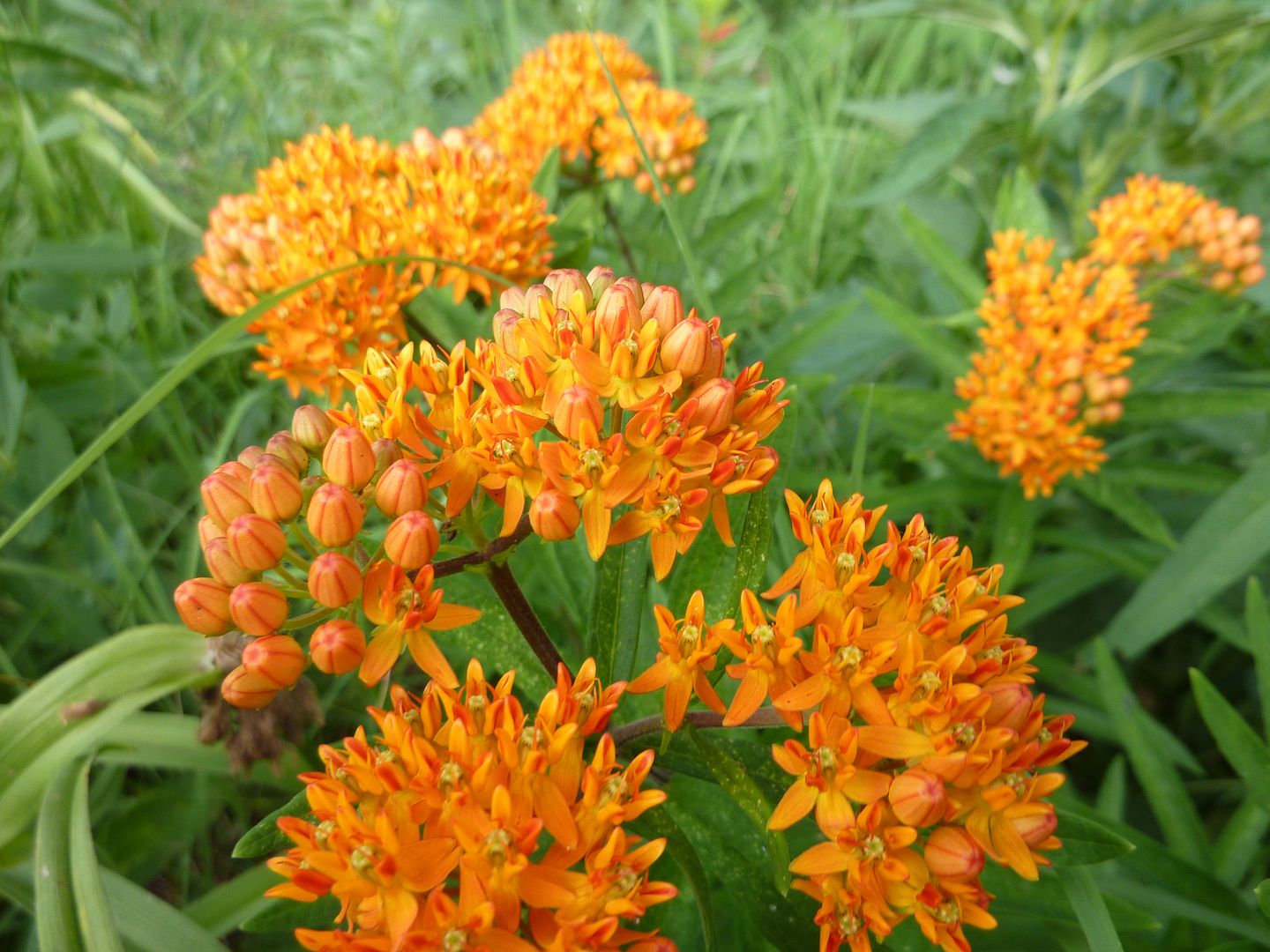
Asclepias tuberosa (seen above), and Asclepias incarnata are more garden friendly though. A. incarnata is fragrant too which a lot of people don't know about! Whenever the flowers are in the sun they smell like a generic desert, reminiscent of fresh cup cakes out of the oven.
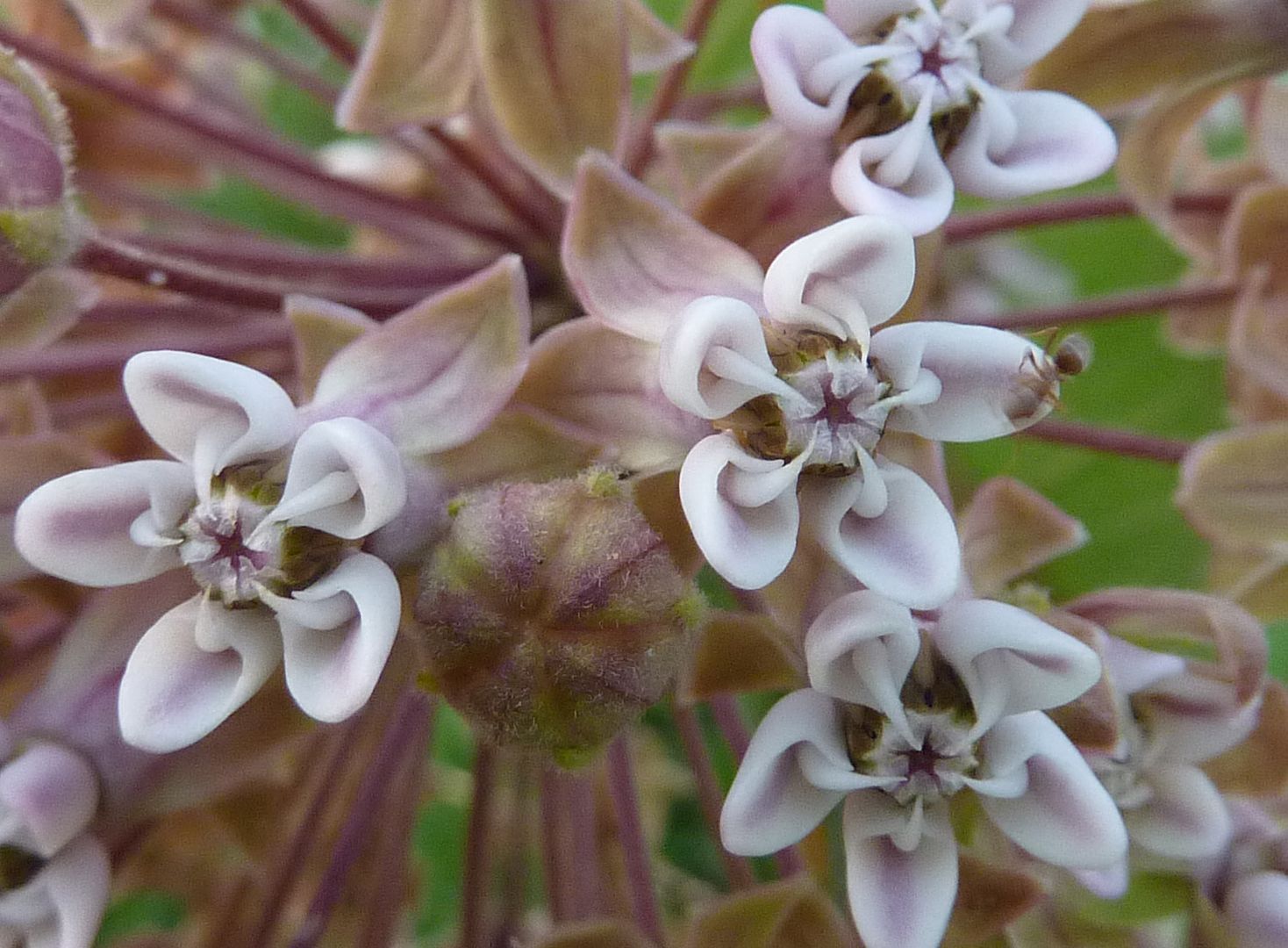
Common Milkweed flowers come in a lot of shades, partly depending on the age of the flower. Here are some deep purple ones.
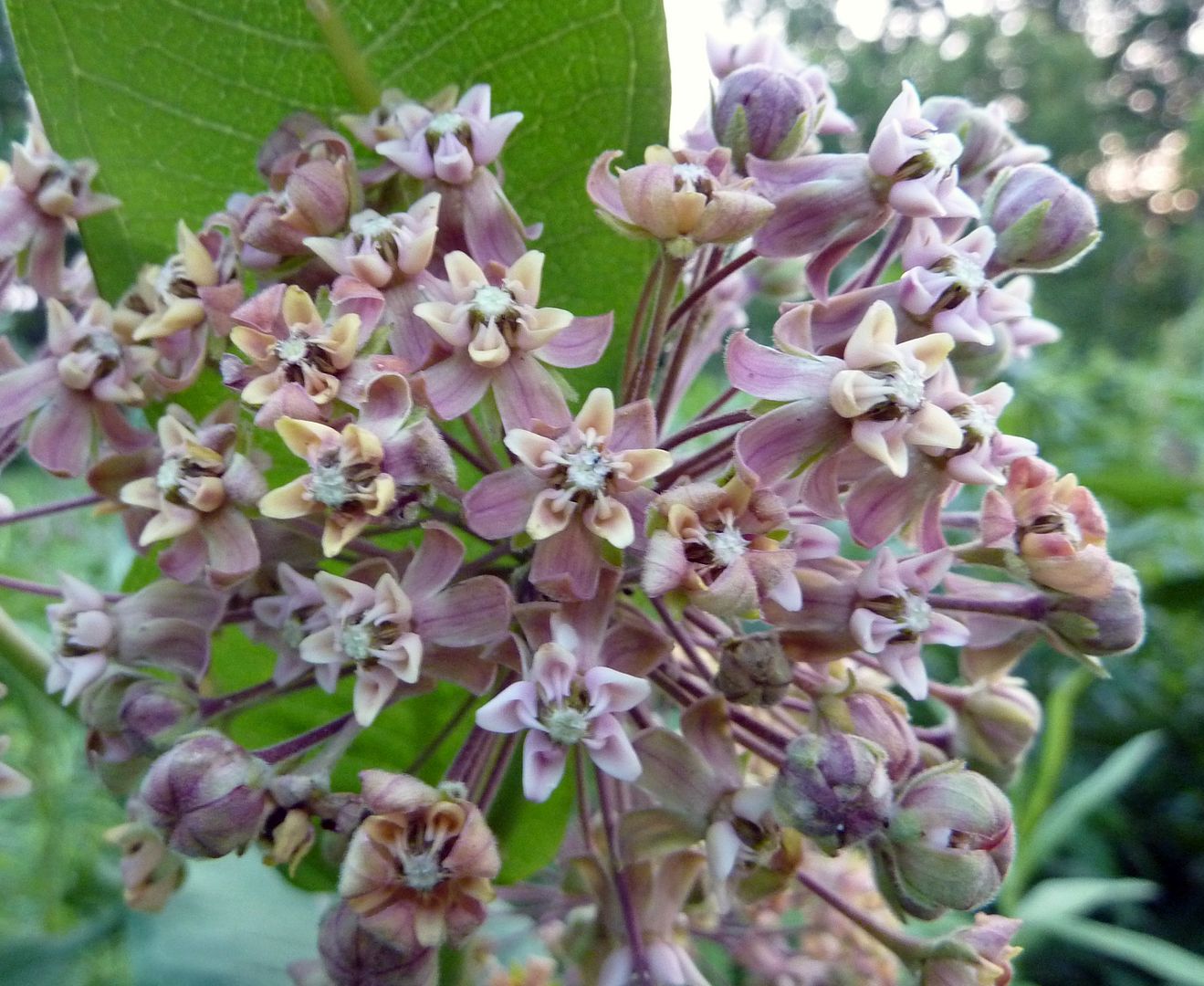
Almond and Cream colored. There were lots of ants stealing nectar from the flowers. As well as bees and beetles pollinating them legitimately.
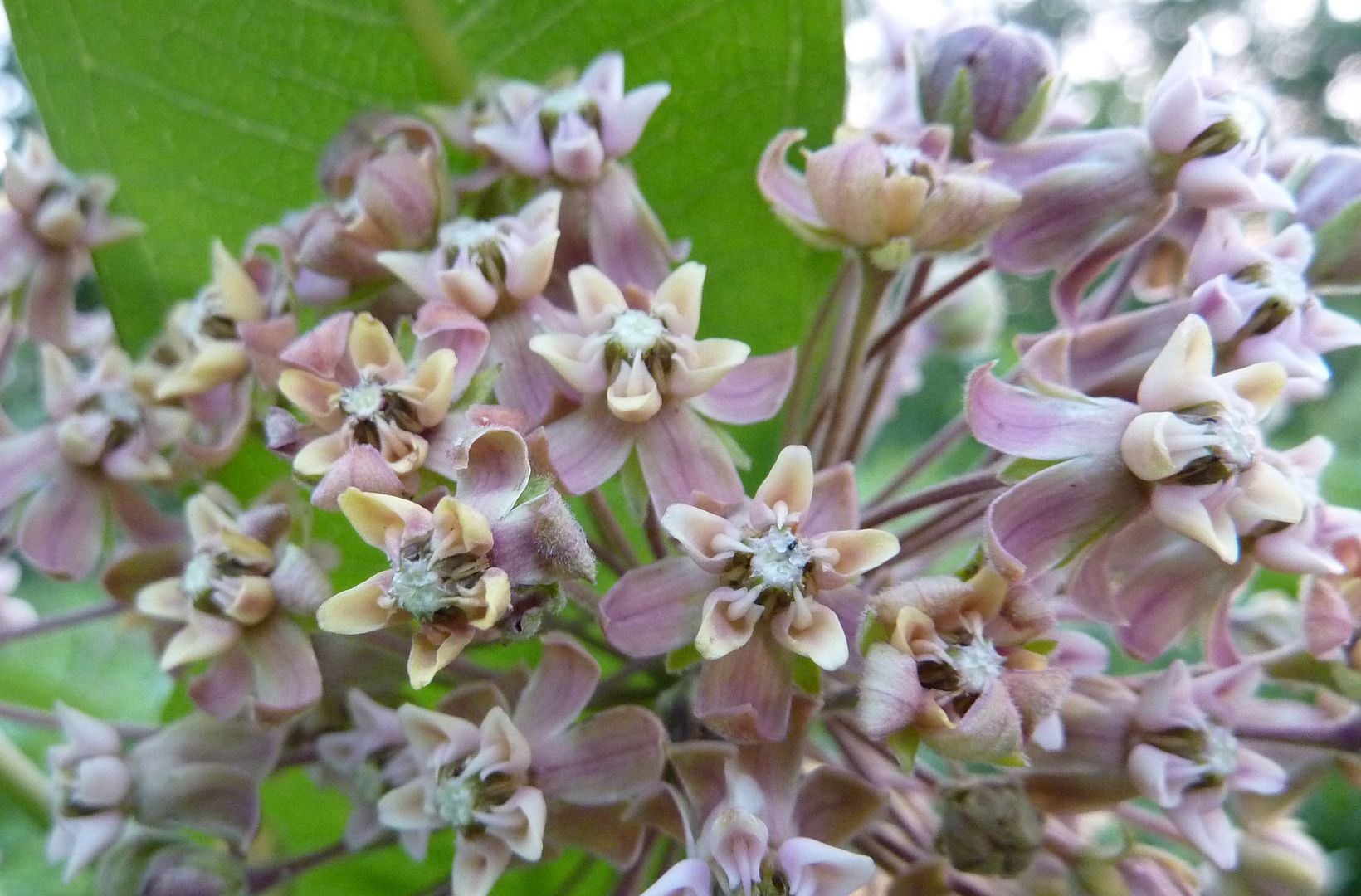
A rainbow of colors.
One plant I noticed had some clusters as this solid white color, as well as the deep purple, which was odd because the clusters were so close to one another.
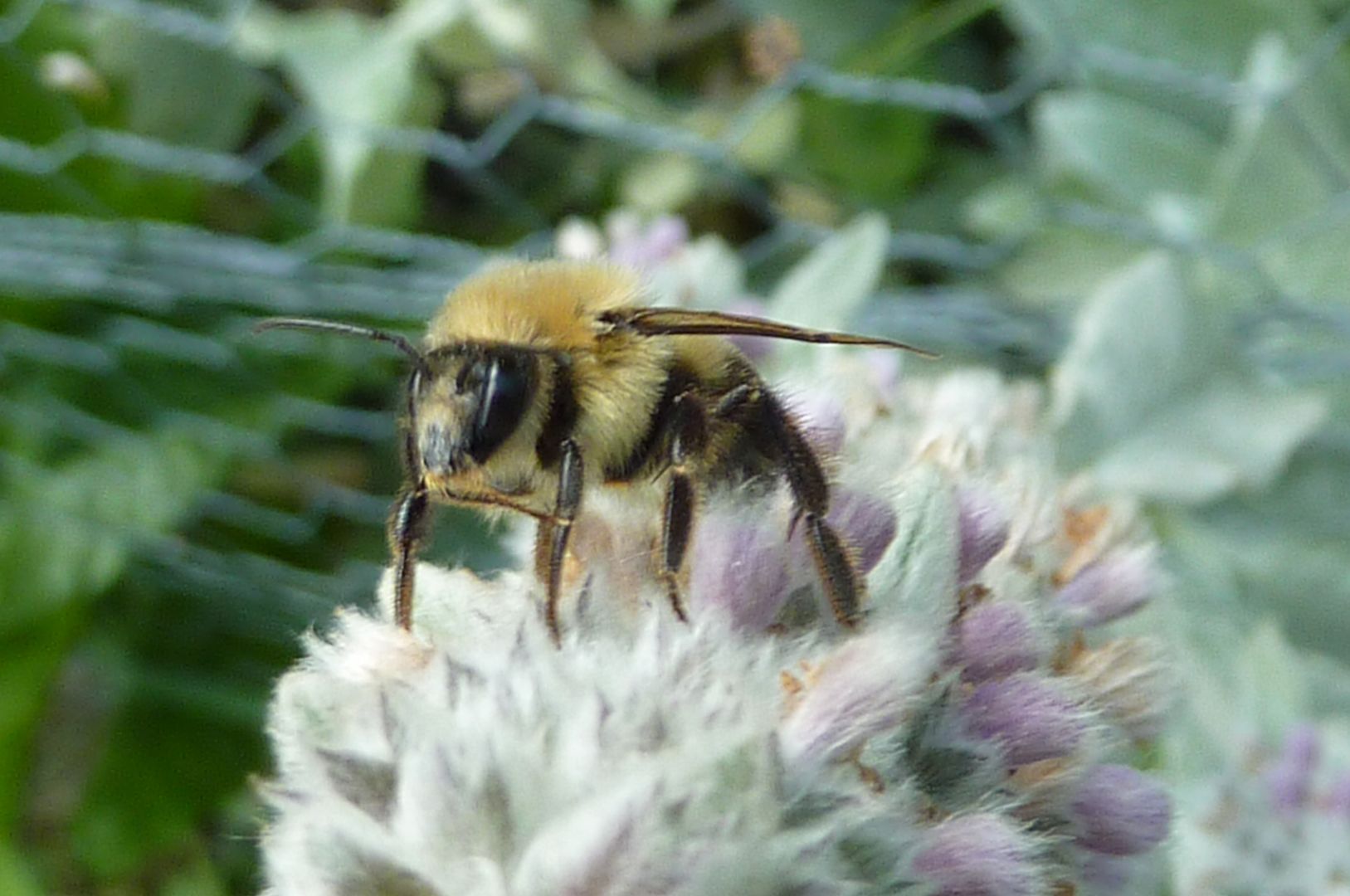
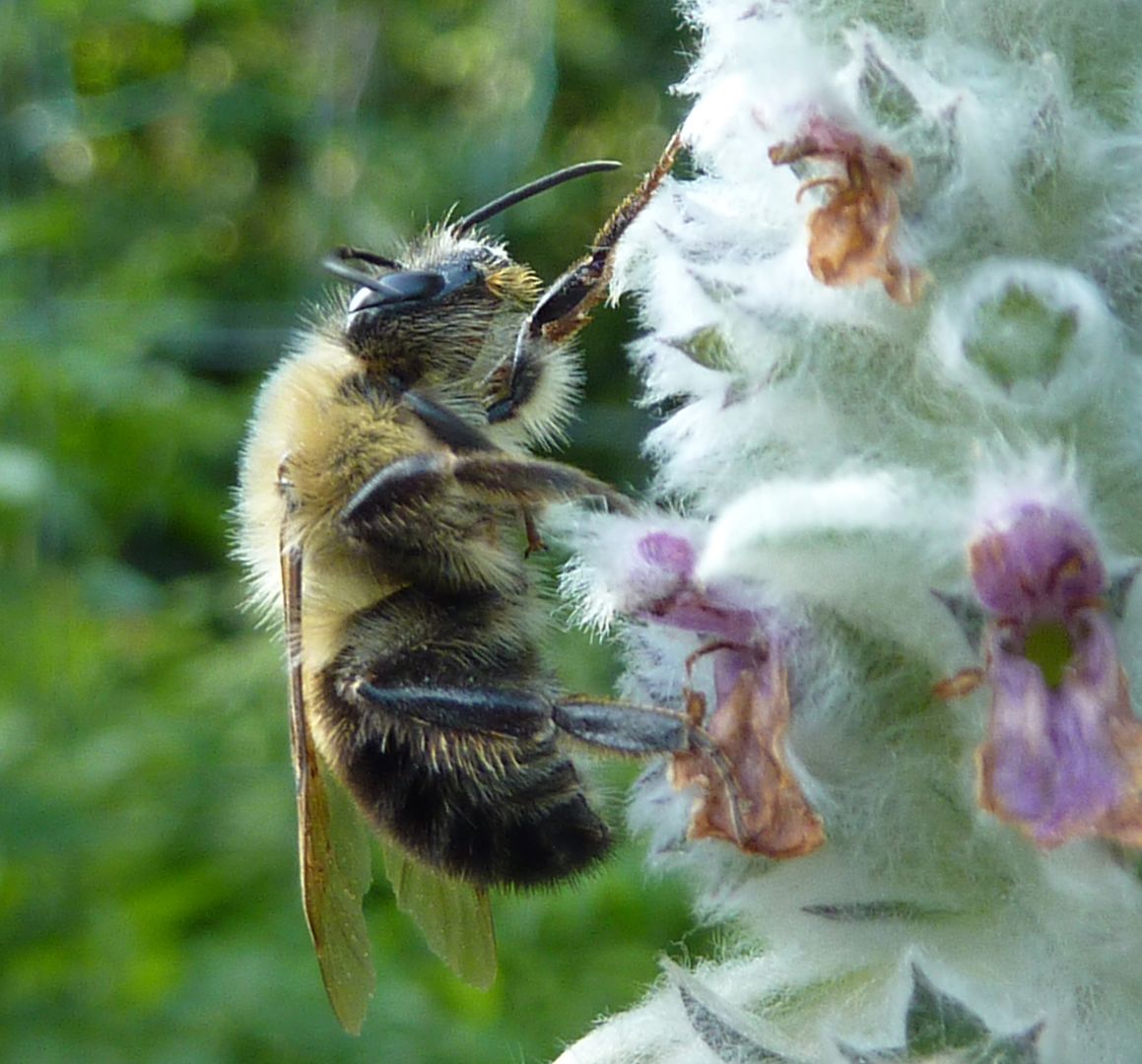
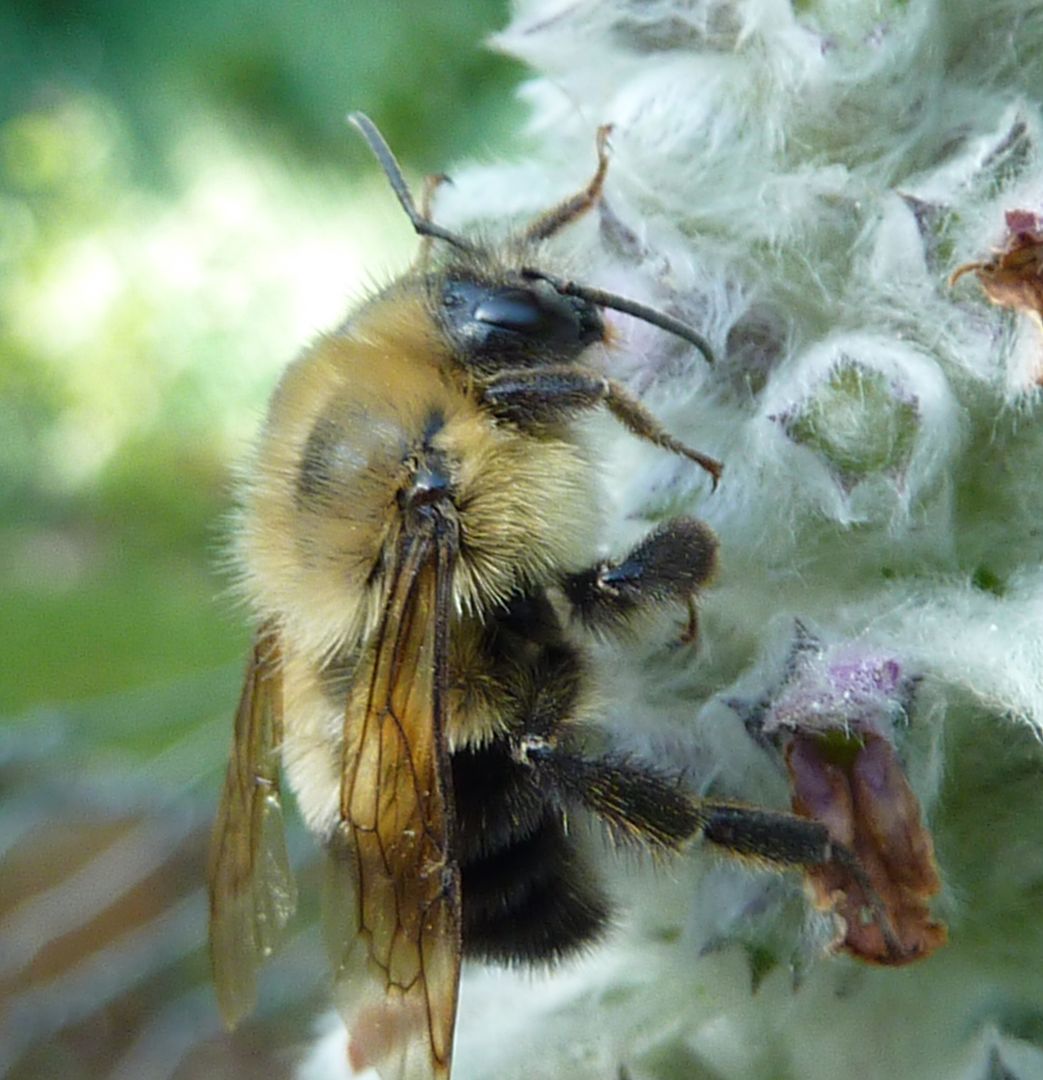
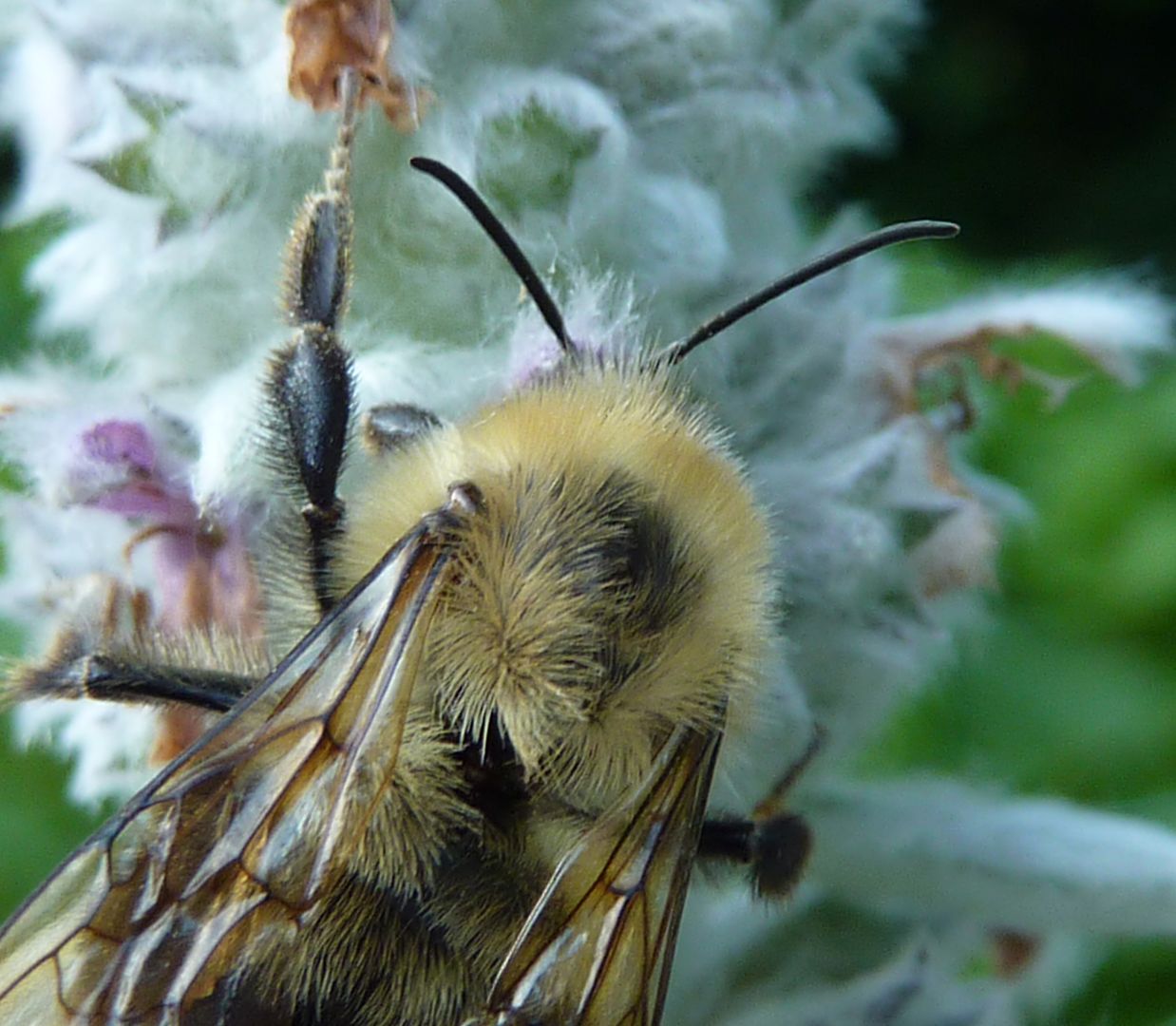
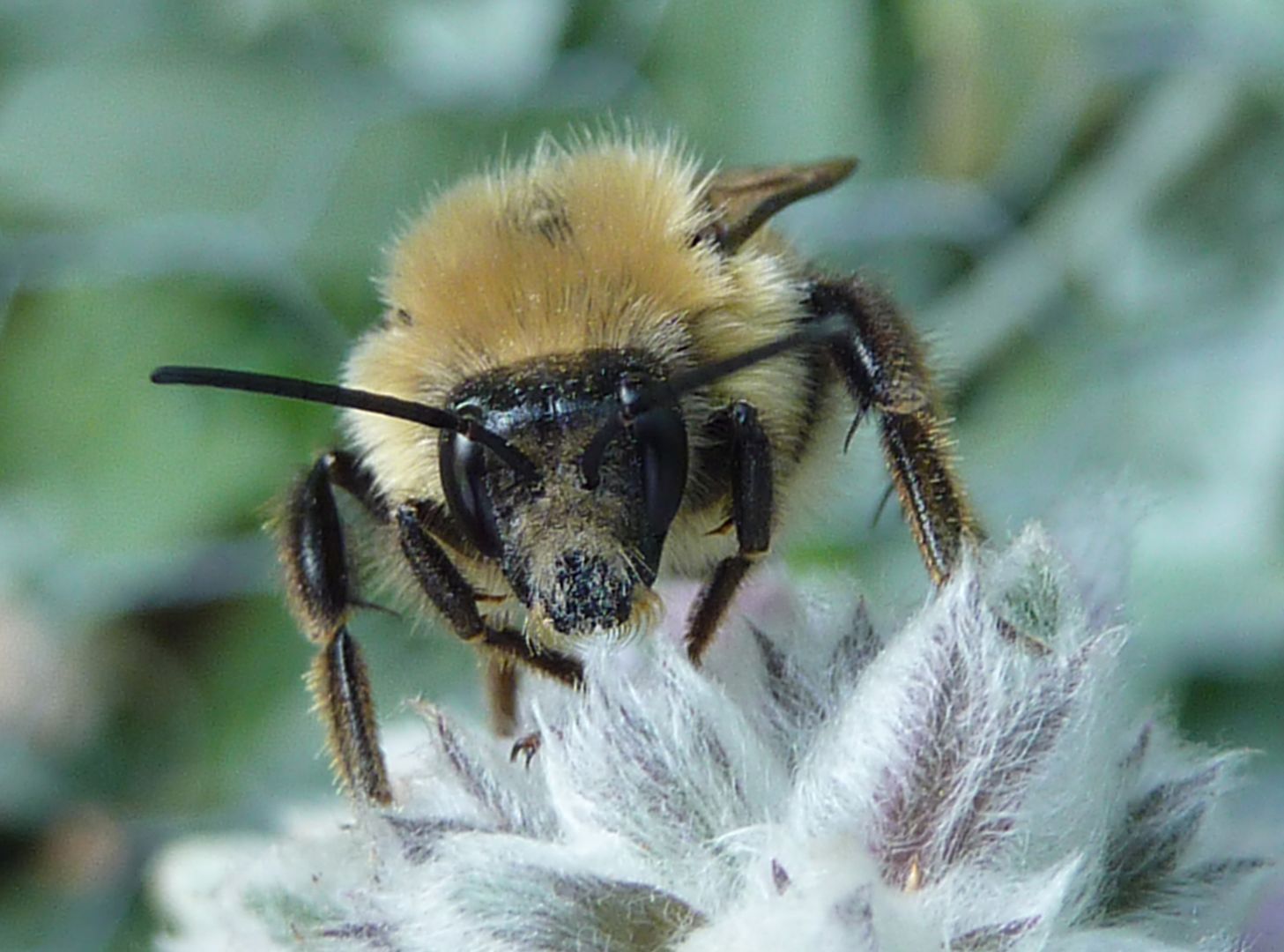
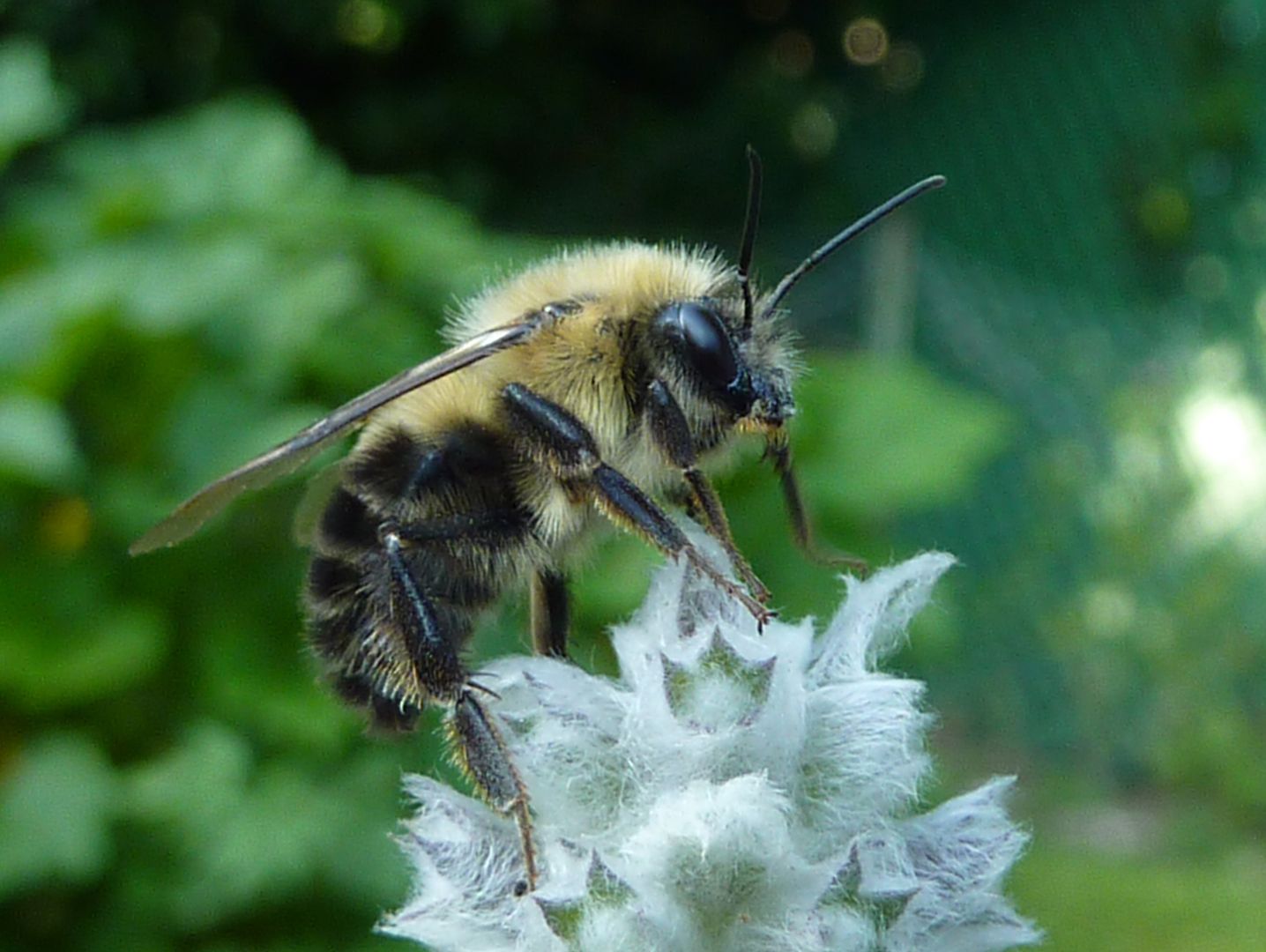
A bumblebee ready for pollination. I spent a lot of Father's Day photographing this one bee on the lambs ear in my grandfather's garden. It was being unusually cooperative so I took as many pictures as I could, only to find out that it was in fact a male.
This is a male Bombus bimaculatus, and you can ID it as a male from the straighter than normal antenna, and yellow hairs under the body as well the scruff on the mandible area. Though I'm told that male bumblebees often look just like the females so don't go petting them all or grabbing them just yet.
The Lambs Ear was otherwise swarming with bumblebees. This one male though was taking his time to rest about and sipping at flowers at his own leisure. As the sun went down he finally took off, probably to spend the night somewhere. Once they leave the hive they leave for good. Rather than being a burden on the resources they go it alone and feed on flowers until new queens of their species emerge from hives to mate with.
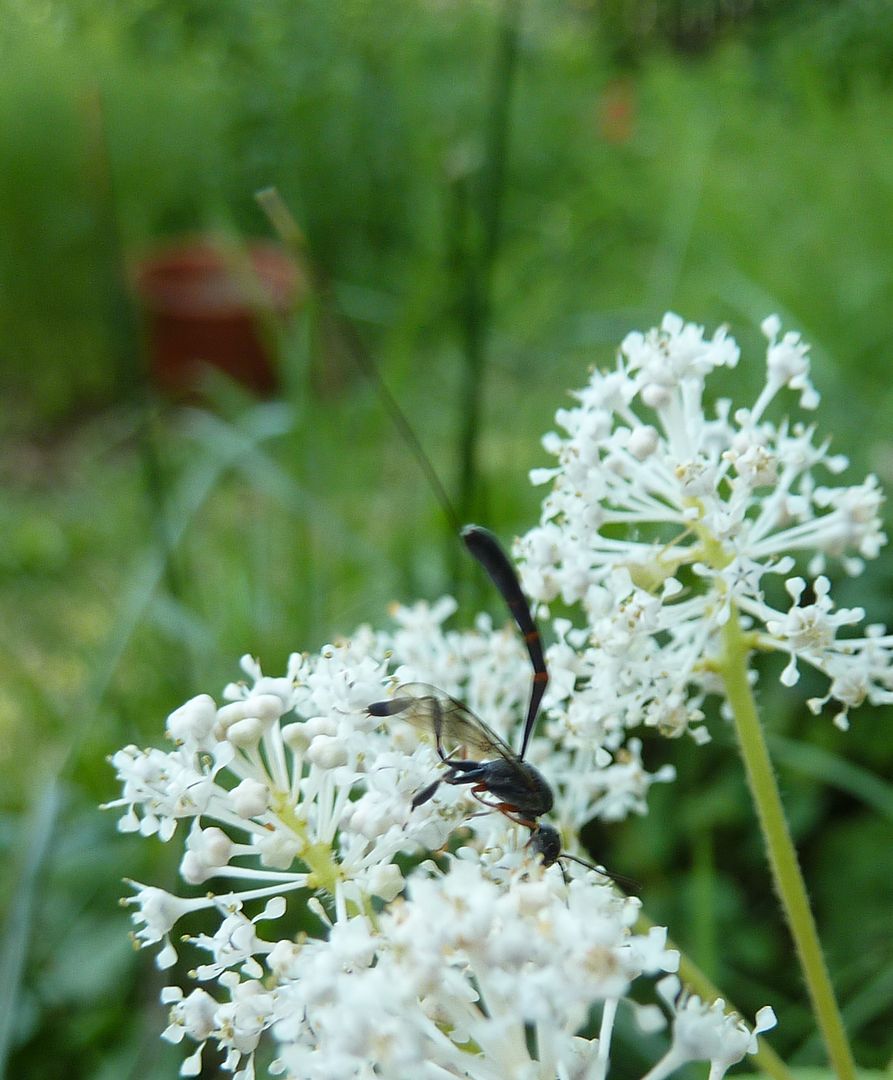
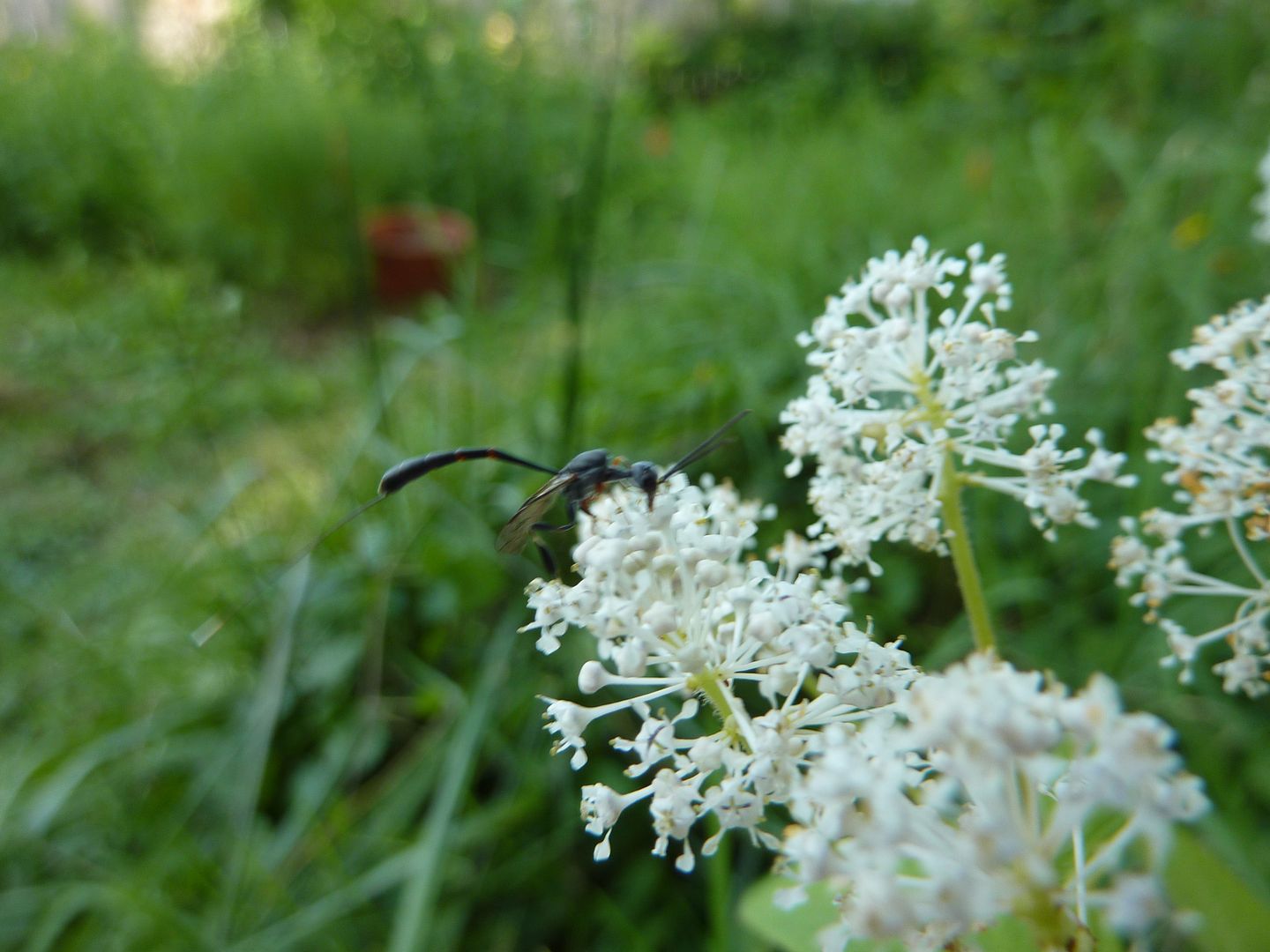
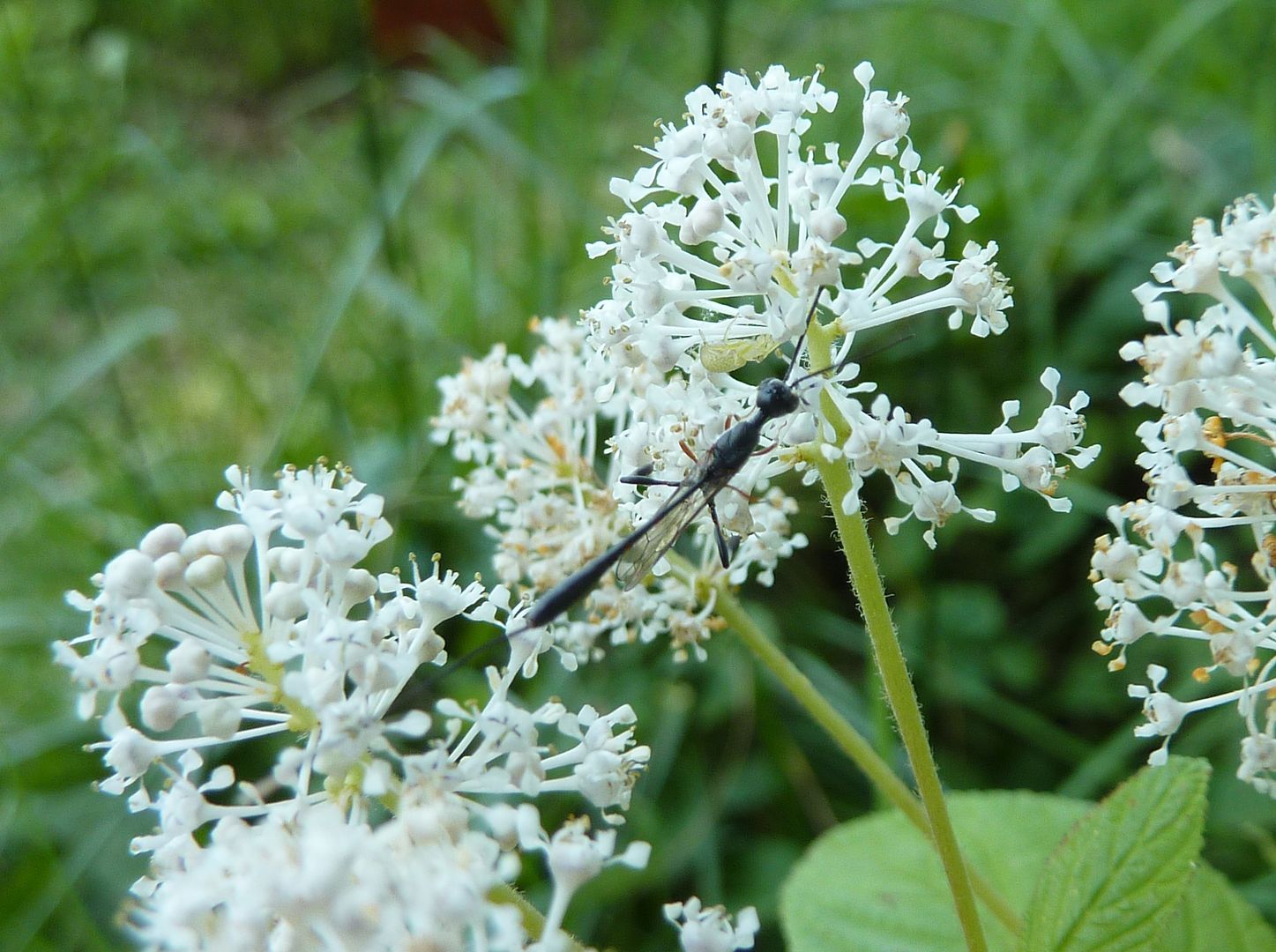
Wasps in the genus Gasteruption are social parasites other Hymenoptera. In this case that means Mason Bees. They inject their egg into the mason bee tunnel where larva of the host species are developing. Next year, instead of hatching as a mason bee, a parasitic wasp will emerge.
The fact that I'm seeing these in the garden should probably be a red flag to bring the mason bee nest blocks inside or at least screen them in somehow. My mason bees are an invasive species though, Osmia taurus, so I'm not really inclined to do that. In the interest of diversity I think I'll let nature takes its course, assuming they are the host that is.
I'm amazed at how pencil thin they are. They even look tiny among the blooms of New Jersey Tea, Ceanothus americanus.
Ohh Abbott Sphinx, Sphecodina abbottii. That's what was eating my concord grape vine. The skin eventually turns brown leaving large evenly spaced green spots all along its body. I suppose it's mimicking a snake that way.
Since the day I took this photo I haven't been able to find it again so hopefully a bird didn't get it. I've read they can be very uncommon in their range, but I know the forests here are all abundant with grape vines. I'd say most forests have a Vitis species in them it's just that they don't produce a lot of fruit unless you prune them severely each spring.
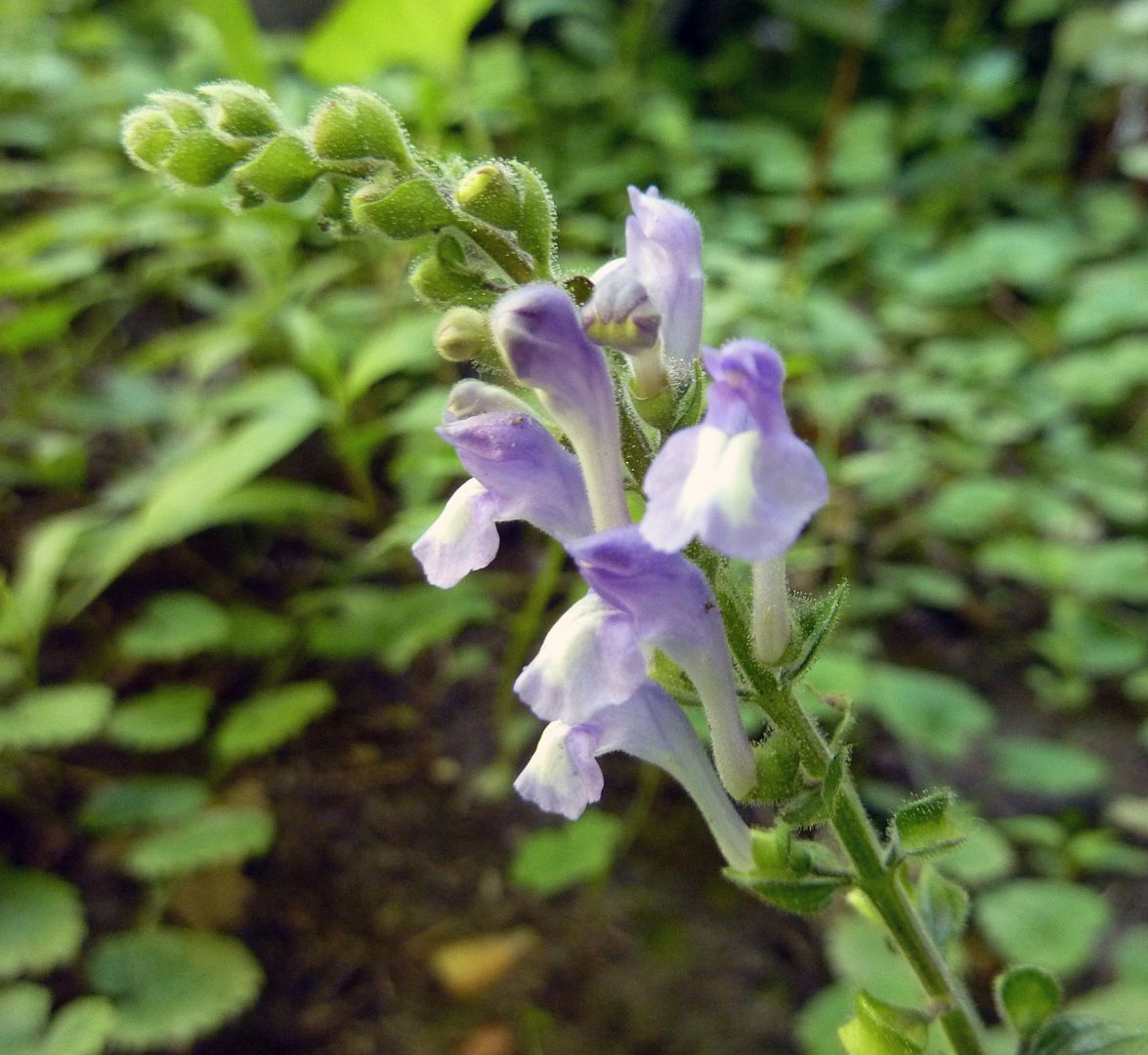
Heart-Leaf Skullcap,Scutellaria ovata, is a shade loving perennial that spreads by rhizomes. This is an odd combination. Shade plant and mint family don't really go together in my mind. Spreading by rhizomes is common in the mint family but because it's a shade plant I wonder if it will be as aggressive as its relatives.
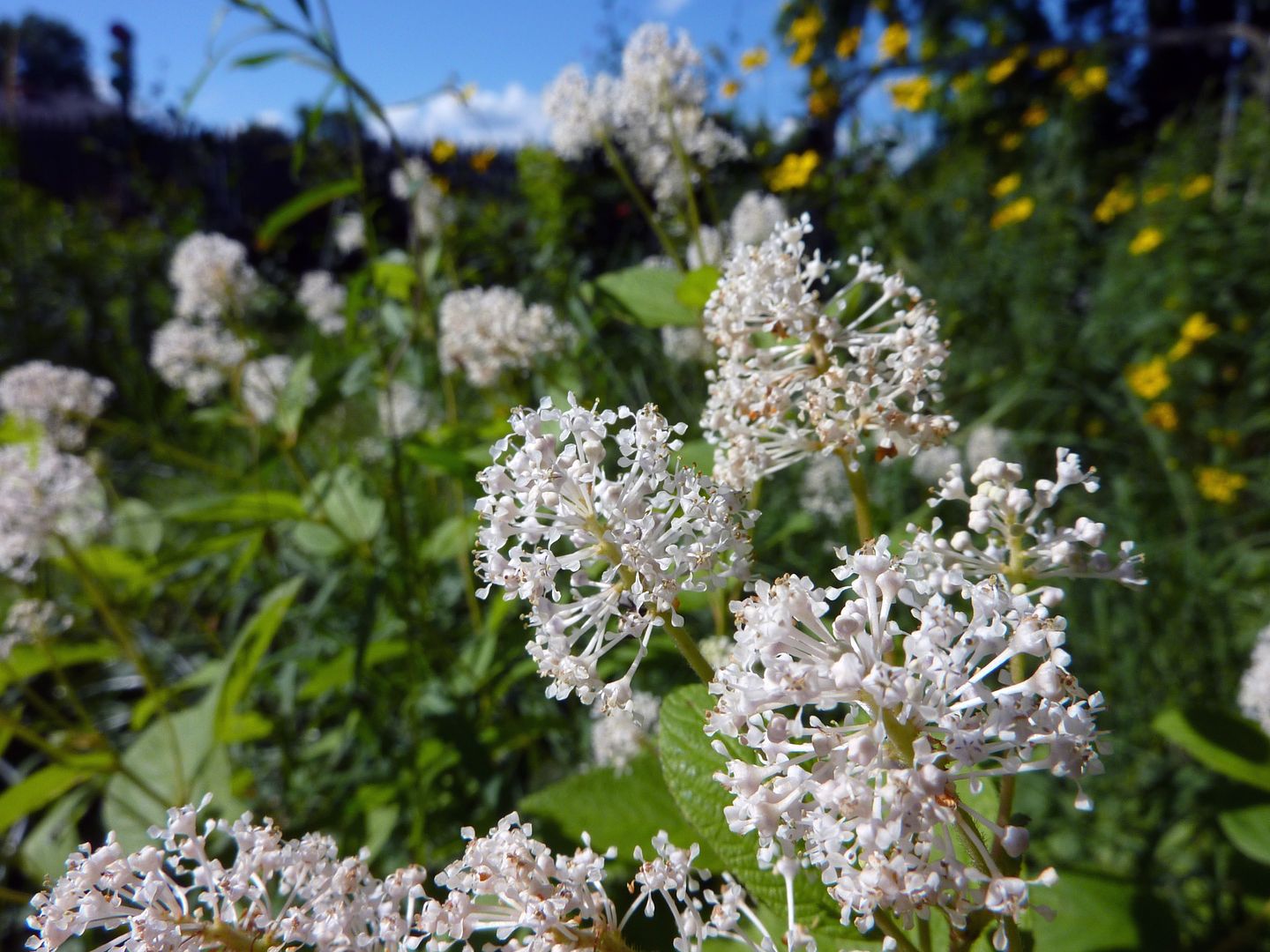
New Jersey Tea, Ceanothus americanus, is blooming. The leaves are a lighter green color that make it stand out, with the white clusters of flowers. I'm told this plant used to be extremely common but unfortunately it's one of those plants that is a sigh of ideal farming soil. I've never seen it growing wild and I live in New Jersey. It's been in a steep decline though not enough to be threatened. Ceanothus is a very diverse genus, especially out west where they all have blue flowers, and grow to be much larger shrubs. This species only gets about 3' tall.
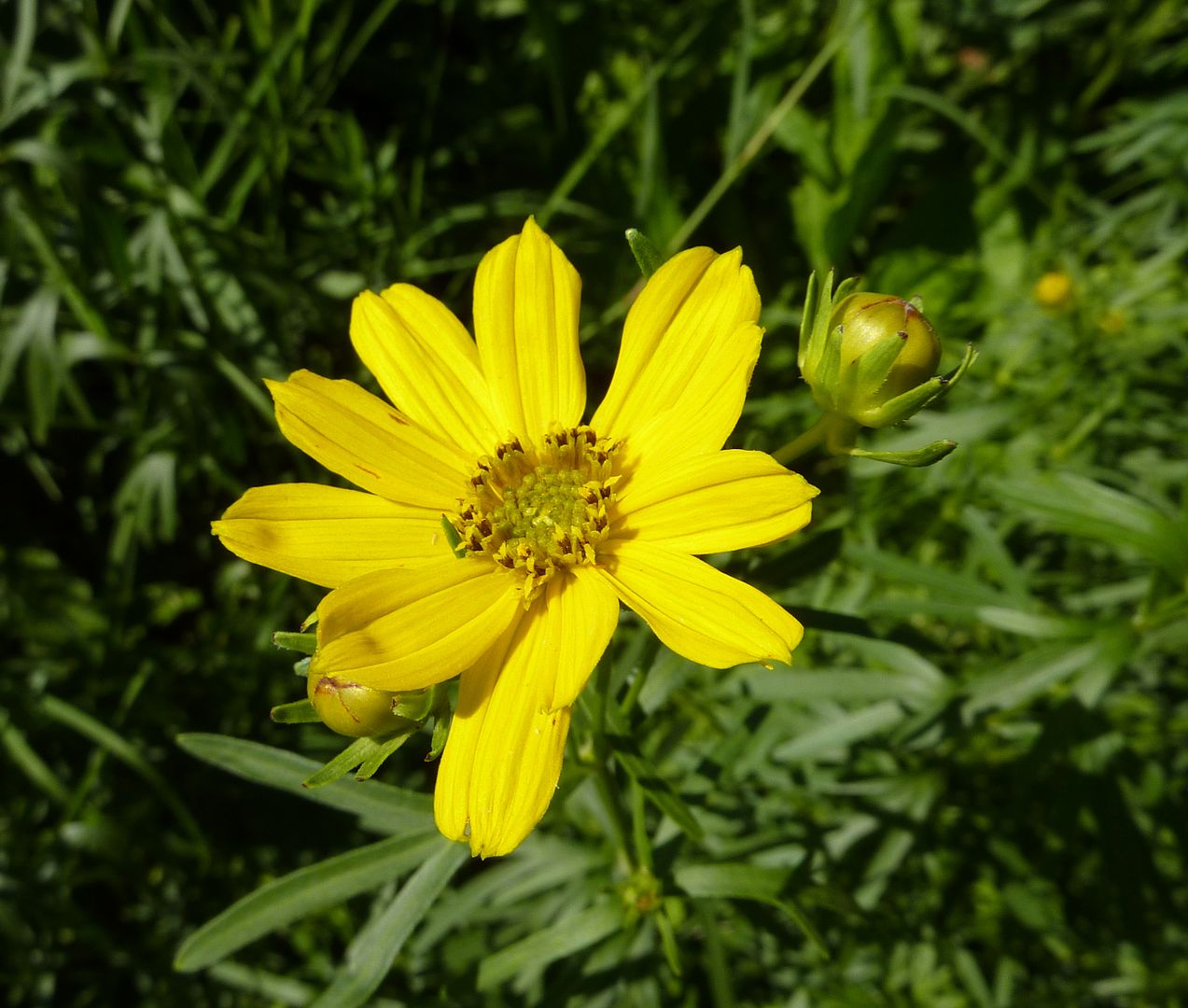
Coreopsis palmata, has just started too. It's one of the more aggressive spreading Coreopsis species. I planted maybe 7 of these last year as 4" plugs, and they're all coming up as though they were 3 gallon pots.
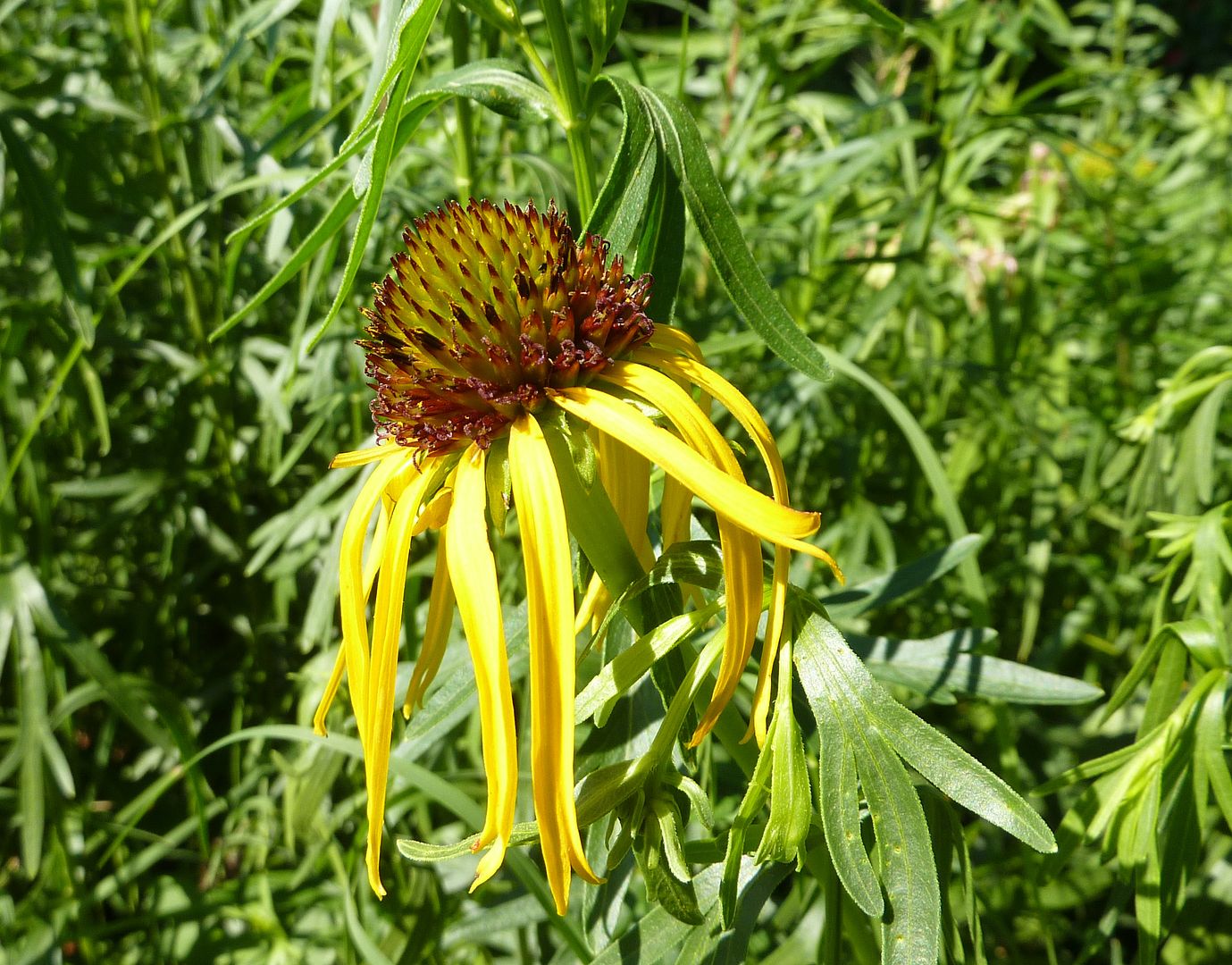
Ozark Coneflower, Echinacea paradoxa, isn't native to New Jersey but neither are coneflowers. So I decided to go with an uncommon species and may add more later on. It's the only naturally occurring yellow flowering coneflower. When you see yellow coneflowers at nurseries they're typically mutants, genetically altered to circumvent the terminator gene (Echinacea otherwise don't hybridize naturally).
Blue-Ridge Buckbean, Thermopsis caroliniana. Despite tolerating more soil conditions than Lupins, this plant doesn't have as many populations scattered around the country. It's something of a mystery to me. They're known to colonize where they occur but they don't seem to spread at all.